
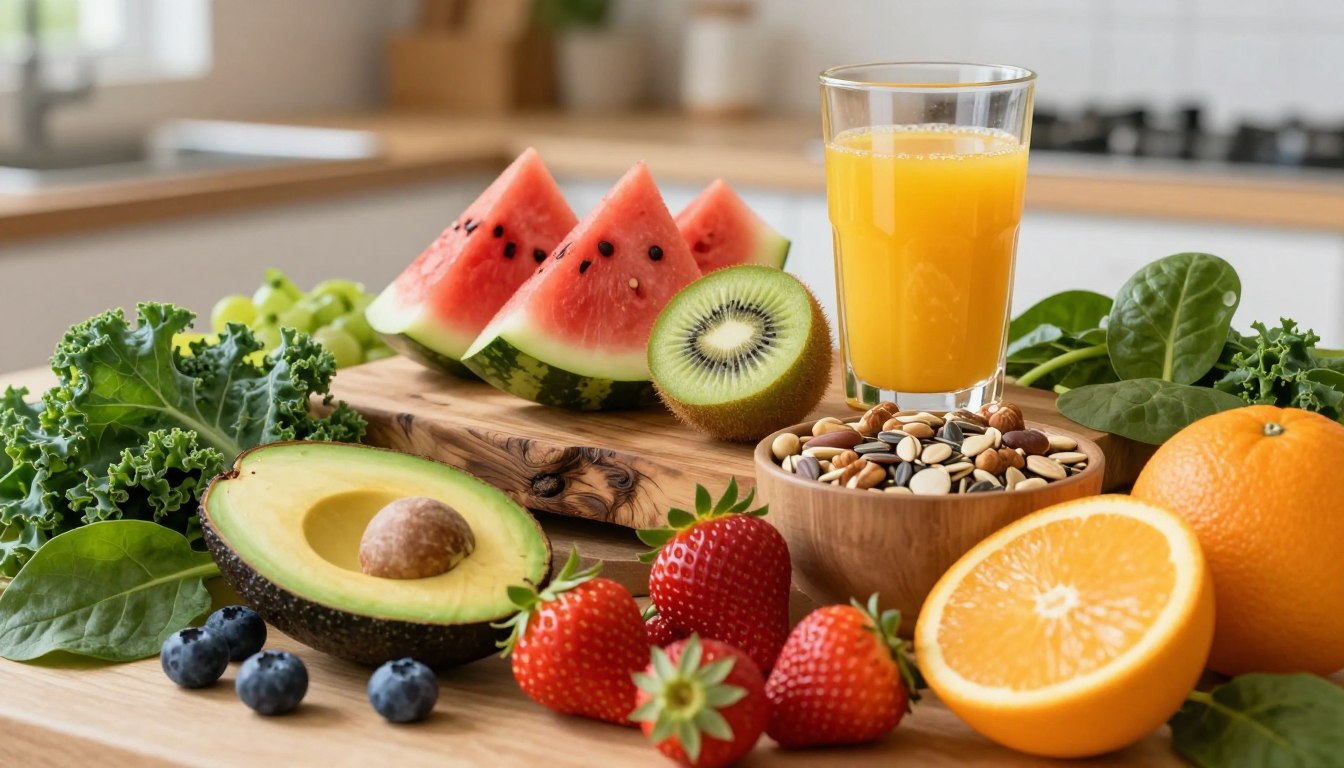
Did you know that nearly 80% of the visible signs of aging are linked to what you eat? This surprising statistic highlights the significant role of your diet in maintaining a vibrant appearance. As you age, the nutrients you consume can directly influence your overall health and the way your complexion looks.
Incorporating nutrient-dense options into your daily meals can be a game changer. These choices not only help you feel better but also support your body’s natural aging process. By focusing on sources rich in antioxidants, healthy fats, and proteins, you can nourish your body from the inside out.
This article will explore ten powerful options that can enhance your appearance and promote a radiant glow. You’ll learn about specific nutrients, their benefits, and how to easily integrate them into your routine. Remember, while a healthy diet is essential, pairing these choices with professional care from Reign Beauty and Vitality in Henderson, NV, can elevate your journey to glowing health.
Key Takeaways
- Discover how the right choices can transform your complexion.
- Your diet plays a direct role in your skin’s health and appearance.
- Learn about ten nutrient-rich options that are easy to add to your meals.
- Understand the importance of hydration for maintaining skin elasticity.
- Find actionable tips for a healthier, more radiant look.
Introduction: Why the Foods You Eat Matter for Youthful Skin
The connection between your diet and the health of your skin is stronger than you might think. Every meal you enjoy has the potential to influence the health and beauty of your skin. Your skin is the largest organ of your body, and it requires a steady supply of nutrients to maintain its strength, elasticity, and natural radiance.
The skin cells you see in the mirror today were formed about four weeks ago deep within the dermis layer. This means your current diet is literally building your future skin. Factors like genetics, age, hormones, and lifestyle all play a role in how your skin ages. However, the food you eat is one of the most powerful tools you have to influence your appearance.
A diet rich in antioxidants, healthy fats, and essential vitamins helps protect your skin from environmental damage caused by UV rays, pollution, and other daily stressors. When you consistently nourish your body with skin-loving options, you’re supporting collagen production, reducing inflammation, and helping your skin retain moisture more effectively.
On the flip side, a diet high in processed options, sugar, and unhealthy fats can accelerate skin aging. This can lead to wrinkles, sagging, and a dull complexion. The good news is that it’s never too late to start eating for healthier skin. Even small changes to your daily diet can yield noticeable benefits over time.
At Reign Beauty and Vitality in Henderson, NV, we believe that beautiful skin starts from within. Our medical spa services are designed to complement your healthy eating habits for comprehensive skin rejuvenation. In the sections ahead, you’ll discover exactly which foods to prioritize and how to easily incorporate them into your meals for lasting, youthful-looking skin.
| Factor | Impact on Skin |
|---|---|
| Diet | Directly influences skin health and appearance |
| Genetics | Plays a role in skin aging and resilience |
| Hormones | Affects skin texture and oil production |
| Lifestyle | Can enhance or diminish skin quality |
Understanding Your Skin: The Basics of Skin Health and Aging
Your skin is a complex organ that plays a vital role in your overall health. It consists of two primary layers: the outer epidermis and the inner dermis. The epidermis acts as a protective barrier, preventing water loss and guarding against pathogens. Meanwhile, the dermis provides structural support and elasticity, ensuring your skin remains resilient.
Deep within the dermis, new skin cells are constantly produced. These cells gradually move upward, taking about four weeks to reach the surface. This natural process is crucial for maintaining a fresh and vibrant appearance.
Collagen, the most abundant protein in your body, is essential for skin firmness and plumpness. Unfortunately, after the age of 25, collagen production begins to decline. This reduction can lead to fine lines, wrinkles, and sagging skin, which many people wish to address.
External factors can also contribute to collagen breakdown. Sun exposure, pollution, and a poor diet can accelerate damage to your skin’s structure. Free radicals, unstable molecules generated by UV light and environmental toxins, attack healthy skin cells and significantly contribute to premature aging.
The good news is that you can support your skin health through targeted nutrition. By providing your body with the necessary building blocks, you can maintain collagen levels and repair damage. Understanding this biological foundation helps you appreciate why certain nutrients are effective at promoting a more radiant complexion.
| Skin Layer | Function |
|---|---|
| Epidermis | Acts as a barrier to protect against pathogens and prevent water loss |
| Dermis | Provides strength, elasticity, and nutritional support |
“The skin you show to the world is created deep in the dermis.”
The Role of Antioxidants in Protecting Your Skin
Antioxidants play a crucial role in maintaining your skin’s health and appearance. These powerful molecules are essential in fighting off the harmful effects of free radicals. Free radicals are unstable molecules that can cause damage to your cells, especially when their levels rise due to stressors like UV rays and pollution.
When free radicals accumulate, they lead to oxidative stress. This process breaks down collagen, damages cellular DNA, and accelerates visible signs of aging. Fortunately, antioxidants help protect your skin by stabilizing these rogue molecules. They essentially “disarm” free radicals, preventing them from wreaking havoc on your healthy skin cells.
Your body produces some antioxidants naturally, but you also need a steady supply from your diet. Fruits and vegetables are among the richest sources of dietary antioxidants, including vitamins C and E, beta carotene, and polyphenols. Research shows that a diet high in antioxidants is linked to healthier, more resilient skin that ages gracefully.
Specific antioxidants, like vitamin C, not only protect your skin but also play a direct role in collagen synthesis. This makes them doubly important for maintaining a youthful appearance. Additionally, antioxidants found in foods like berries, green tea, dark chocolate, and colorful vegetables help reduce inflammation throughout your body, benefiting your skin health in the long run.
By consistently including antioxidant-rich options in your meals, you’re building a powerful internal shield. This shield protects your skin from daily damage that can lead to premature aging.
How Healthy Fats Help Boost Your Skin’s Vitality
Your skin thrives on healthy fats, which serve as a natural moisturizer and boost its vitality. These essential fats keep your complexion supple and improve elasticity, making them a vital part of your diet.
Monounsaturated and polyunsaturated fats are the heroes here. You can find these beneficial fats in avocados, oily fish, nuts, and seeds. They come cleverly packaged with a healthy dose of vitamin E, which provides additional protection against environmental damage.
Omega-3 fatty acids are particularly noteworthy. They possess powerful anti-inflammatory properties that can help alleviate skin conditions like eczema and psoriasis. These fatty acids also form the building blocks of healthy skin.
When your diet includes adequate healthy fats, your skin is better able to retain hydration. This means fewer fine lines and a plumper, more youthful appearance. Here are some key benefits of incorporating healthy fats into your meals:
- Essential for hydration: Healthy fats act as an internal moisturizer, keeping your skin hydrated from within.
- Improved elasticity: These fats strengthen your skin’s cell membranes, enhancing resilience and flexibility.
- Anti-inflammatory properties: Omega-3 fatty acids help calm redness and irritation.
- Building blocks of skin: They support the lipid barrier that locks in moisture and keeps irritants out.
- Antioxidant protection: Vitamin E provides additional defense against UV damage.
- Long-term benefits: A diet rich in plant-based fats is linked to better skin health in older adults.
- Nourishing choices: Whole food sources nourish your skin without contributing to health issues.
By making healthy fats a regular part of your diet, you’re giving your skin the essential nutrients it needs to stay soft, smooth, and radiant at any age.
Foods for Youthful Skin: Extra Virgin Olive Oil
Extra virgin olive oil stands out as one of the healthiest oils available today. This remarkable oil is rich in healthy fats and antioxidants that play a vital role in reducing inflammation and oxidative damage. These issues often arise from an imbalance of free radicals in the body.
A diet that includes olive oil has been linked to a lower risk of chronic diseases. These include heart disease, type 2 diabetes, metabolic syndrome, and certain types of cancer. The monounsaturated fats (MUFAs) found in olive oil make up about 73% of its composition. Some studies suggest that a diet rich in MUFAs may help reduce skin aging, thanks to the strong anti-inflammatory effects of these healthy fats.
Nutrients and Antioxidant Benefits
Extra virgin olive oil is packed with rich antioxidants, including tocopherols, beta carotene, and phenolic compounds. These nutrients work together to neutralize free radicals and protect skin from oxidative damage. A landmark study from 2012 revealed that individuals consuming a diet rich in MUFAs from olive oil had a significantly lower risk of severe skin aging compared to those with lower intakes.
The anti-inflammatory properties of olive oil also help reduce chronic inflammation throughout your body. This inflammation is a key driver of premature skin aging and various chronic diseases. Regular consumption of extra virgin olive oil can enhance your overall health.
How to Add Olive Oil to Your Daily Diet
Incorporating extra virgin olive oil into your meals is incredibly simple. Here are some easy ways to do so:
- Drizzle it on salads: Use it as a dressing or dip for whole-grain bread.
- Enhance your dishes: Use it as a finishing oil for roasted vegetables, soups, and grilled proteins.
- Boost nutrient absorption: The healthy fats in olive oil help your body absorb fat-soluble vitamins from other foods.
- Make it your primary cooking fat: This is one of the easiest and most delicious ways to protect skin and support a more youthful appearance over time.
By making extra virgin olive oil a staple in your diet, you are not only enhancing your meals but also giving your skin the essential nutrients it needs to stay vibrant and healthy.
Foods for Youthful Skin: Green Tea
Rich in antioxidants, green tea is a powerful ally in the quest for healthier skin. This beverage is particularly high in polyphenols, including epigallocatechin gallate (EGCG), catechins, and gallic acid. These compounds work together to combat free radicals, which can cause significant damage to your skin.
Studies suggest that the polyphenols in green tea may help protect skin from external aging factors, such as sun exposure and pollution. By scavenging free radicals, they reduce the visible effects of environmental stressors. Many skincare products now feature green tea extract for its impressive antioxidant and pro-aging benefits.
Powerful Polyphenols and Skin Protection
Green tea is one of the most potent sources of antioxidants you can add to your daily routine. The secret behind its skin-protective powers lies in its high concentration of polyphenols. These powerful compounds help reduce inflammation throughout your body, which can lead to calmer, clearer, and more radiant skin over time.
Regular consumption of green tea is also linked to a reduced risk of heart disease, neurological decline, and various chronic diseases. This means that drinking green tea not only benefits your skin but also supports your overall health.
Tips for Enjoying Green Tea Regularly
To incorporate green tea into your daily routine, consider these simple tips:
- Swap your afternoon coffee: Replace it with a cup of freshly brewed green tea.
- Start your day right: Enjoy a warm mug alongside breakfast.
- Steep it correctly: For maximum benefits, steep your green tea for 3-5 minutes in hot, but not boiling, water.
- Try matcha: Incorporate matcha powder into smoothies, lattes, or baked goods for a concentrated dose of antioxidants.
- Aim for 2-3 cups: Consistently enjoy this beverage to flood your body with rich antioxidants that help protect skin and promote a youthful glow.
Foods for Youthful Skin: Fatty Fish
Fatty fish are among the most beneficial options you can include in your diet for promoting healthy skin. These nutrient-dense varieties, such as salmon, mackerel, sardines, and trout, are rich in omega-3 fatty acids, protein, and antioxidants.
Omega-3 fatty acids are essential for maintaining a strong skin barrier. This barrier helps lock in hydration, keeping your complexion looking plump and dewy. These healthy fats also have potent anti-inflammatory effects, which can calm skin conditions and reduce the chronic inflammation that contributes to premature aging.
Omega-3 Fatty Acids and Skin Hydration
Salmon, in particular, contains astaxanthin, a unique carotenoid antioxidant that gives the fish its pink color. This antioxidant provides additional protection against UV damage. In a clinical study, participants with sun-damaged skin who consumed astaxanthin and collagen for 12 weeks experienced significant improvements in both skin elasticity and hydration levels.
Protein and Collagen Support
The high-quality protein found in fatty fish provides your body with the amino acids it needs to produce collagen and elastin. These two structural proteins are responsible for keeping skin firm and resilient. Eating protein also promotes wound healing, which is vital for maintaining skin health.
Fish is also high in selenium, a mineral and antioxidant that plays a role in DNA synthesis and repair. This mineral may help reduce and prevent skin damage caused by UV light exposure.
Eating fatty fish at least twice a week is recommended to consistently supply your body with the omega-3 fatty acids and nutrients it needs for optimal skin health. If you’re not a fan of fish, you can still get omega-3 fatty acids from plant sources like flaxseed and walnuts, though the marine forms are more readily absorbed by your body.
Including fatty fish in your diet is a delicious way to support collagen production, improve hydration, and help protect your skin from the inside out.
Foods for Youthful Skin: Dark Chocolate
Dark chocolate is not just a sweet treat; it’s a powerhouse for your skin. This delicious option is rich in polyphenols, which act as antioxidants in your body. Among these, flavonols stand out for their impressive health benefits.
Flavonols are linked to a lower risk of heart disease, type 2 diabetes, and cognitive decline. Moreover, a diet rich in these antioxidants can help protect your complexion from sun damage and slow down the aging process. In a notable 24-week study, participants who consumed a flavonol-rich cocoa beverage saw significant improvements in skin elasticity and facial wrinkles compared to those who did not.
Flavonols and Their Impact on Skin Health
The flavonols found in high-quality dark chocolate help protect your skin from sun damage. They neutralize free radicals before they can break down collagen, which leads to visible signs of aging. Additionally, these antioxidants may also improve skin hydration and thickness, contributing to a smoother, more supple complexion over time.
Choosing the Right Dark Chocolate
When selecting dark chocolate for its health benefits, look for varieties with at least 70% cocoa solids. The higher the cocoa content, the more flavonols you get. Be mindful of added sugar; choose options with minimal sweeteners to maximize benefits without the downsides of excess sugar on collagen.
- Enjoy in moderation: A small square or two of high-quality dark chocolate per day is enough to enjoy its antioxidant benefits.
- Incorporate cocoa powder: Use unsweetened cocoa powder in smoothies, oatmeal, or homemade energy balls for a concentrated dose of flavonols.
- Delicious and nutritious: Adding dark chocolate to your diet is one of the most enjoyable ways to improve skin health.
“The higher the cocoa content, the higher the flavonol content.”
| Benefit | Description |
|---|---|
| Sun Protection | Flavonols help neutralize free radicals caused by UV exposure. |
| Improved Elasticity | Regular consumption can enhance skin elasticity and reduce wrinkles. |
| Hydration | Antioxidants may improve skin hydration and thickness. |
| Heart Health | Linked to a lower risk of heart disease and other chronic conditions. |
Foods for Youthful Skin: Vegetables
Incorporating a variety of vegetables into your diet can significantly enhance your skin’s health. Most vegetables are nutrient-dense and low in calories, providing essential vitamins, minerals, and antioxidants that nourish your body. These nutrients help reduce the risk of heart disease, cataracts, and certain cancers, making vegetables a cornerstone of a healthy diet.
Many vegetables are rich in carotenoids, such as beta carotene and lycopene. Research suggests that a diet high in carotenoids may help protect skin against the sun’s UV rays, which are a primary cause of premature aging. Some of the best sources of beta carotene include carrots, pumpkin, and sweet potatoes.
Carotenoids and Vitamin C for Skin Renewal
Vitamin C is another crucial nutrient for your skin. It plays a vital role in collagen production, which is essential for maintaining skin firmness. Collagen production naturally declines after age 25, so consistently eating vitamin C-rich vegetables is important. Bell peppers, broccoli, and leafy greens are among the richest sources of this powerful antioxidant.
Eating a Variety of Colors for Maximum Benefits
Each color of vegetable represents different antioxidants and phytonutrients, making it important to eat a rainbow of produce. Here are some key benefits of incorporating a variety of vegetables into your meals:
- Essential Nutrients: Vegetables deliver a wide array of vitamins and minerals that support overall health.
- Sun Protection: Carotenoids in orange vegetables like carrots and sweet potatoes help protect against UV damage.
- Collagen Support: Vitamin C-rich options like bell peppers and broccoli support collagen production.
- Skin Cancer Risk Reduction: Lycopene in red vegetables like tomatoes may help reduce the risk of skin cancer.
- Healthy Skin Tone: Dark leafy greens such as kale and spinach provide lutein and vitamin A for maintaining a healthy complexion.
- Gut Health: The fiber in vegetables promotes beneficial gut bacteria, reducing inflammation and supporting clearer skin.
Aim to include at least two different vegetables at every meal. This simple habit can help flood your body with the diverse nutrients it needs to protect skin and support renewal. Making vegetables the star of your plate is one of the most effective dietary strategies to help protect skin from damage and maintain a radiant, youthful appearance for years to come.
Foods for Youthful Skin: Flaxseed
Flaxseed is a small seed that brings big benefits to your health and appearance. This tiny powerhouse offers impressive health advantages. It contains lignans, a type of polyphenol known for its antioxidant effects. These compounds may help lower your risk of chronic diseases, such as heart disease and breast cancer.
Flaxseed is also a great source of an omega-3 fatty acid called alpha-linolenic acid (ALA). Consuming a diet rich in omega-3 fats supports a healthy skin membrane, helping your skin stay hydrated and plump. In high-quality studies from 2009 and 2011, women who consumed flaxseeds or flaxseed oil for 12 weeks showed increased hydration and smoother skin.
Lignans and Alpha-Linolenic Acid (ALA)
The healthy fats in flaxseed work from the inside out. They reinforce your skin’s natural lipid barrier, locking in moisture and protecting against environmental irritants. Lignans, the special type of antioxidant found in flaxseed, help fight free radicals in your body.
Ground flaxseed is much easier for your body to digest and absorb than whole seeds. Always opt for ground flaxseed or grind them yourself before use. Incorporating flaxseed into your daily diet is incredibly easy.
Easy Ways to Incorporate Flaxseed in Your Meals
- Sprinkle it on oatmeal: Add a tablespoon over your morning bowl for a nutritious boost.
- Blend it into smoothies: Mix it in for added texture and health benefits.
- Stir it into yogurt: Enhance your snack with a sprinkle of flaxseed.
- Use as an egg substitute: Mix one tablespoon of ground flaxseed with three tablespoons of water in baking.
The combination of omega-3 fatty acids and lignans in flaxseed also helps reduce inflammation throughout your body. This contributes to calmer, clearer skin over time. Adding just one to two tablespoons of ground flaxseed to your meals each day is a simple habit that delivers lasting benefits for your skin health and overall wellness.
Hydration: The Key to Maintaining Skin’s Elasticity
Keeping your body hydrated is essential for a vibrant and healthy appearance. Proper hydration is vital for maintaining your skin’s elasticity. When your skin lacks moisture, it can appear dry, tired, and even slightly grey. This is why drinking enough fluids daily is crucial.
Experts recommend consuming 6-8 glasses of water each day. However, all fluids contribute to your daily intake, with water being the best option. Additionally, certain fruits and vegetables can also provide hydration. Foods like watermelon, courgette, and cucumber not only quench your thirst but also deliver beneficial nutrients that enhance hydration.
Why Water and Hydrating Foods Matter
When your skin is adequately hydrated, it looks plumper, smoother, and more radiant. Water helps maintain the optimal volume and structure of skin cells. Here are some key points about hydration:
- Hydration is fundamental: It is essential for maintaining your skin’s elasticity and youthful appearance.
- Visible effects of dehydration: Even mild dehydration can leave your complexion looking less vibrant.
- Daily water intake: Drinking 6-8 glasses of water is recommended to support overall health.
Hydrating Foods to Add to Your Diet
Incorporating hydrating foods into your diet can significantly boost your hydration levels. Here are some excellent options:
- Watermelon: This fruit is a hydration superstar due to its high water content. It can also help reduce puffiness around your eyes.
- Cucumbers: With their high water concentration, cucumbers are great for hydration and provide essential vitamins.
- Zucchini and celery: These vegetables are also excellent sources of hydration, contributing to your daily fluid intake.
- Leafy greens: Foods like spinach and kale are packed with nutrients that your skin craves.
The minerals found in these hydrating fruits and vegetables, such as potassium and magnesium, help your body absorb and utilize water more efficiently. Proper hydration supports your skin’s natural barrier function, helping it retain moisture and defend against irritants.
Herbal teas, coconut water, and infused waters are also fantastic alternatives to plain water. If you struggle to drink enough fluids, these options can help you stay hydrated. Limiting dehydrating beverages like alcohol and excessive caffeine is equally important.
Making hydration a priority in your daily diet is one of the simplest yet most effective ways to support your skin’s elasticity and maintain a glowing, youthful appearance.
| Hydrating Food | Benefits |
|---|---|
| Watermelon | High water content; reduces puffiness |
| Cucumber | Great source of hydration and vitamins |
| Zucchini | Provides hydration and essential nutrients |
| Leafy Greens | Rich in vitamins and minerals for skin health |
Dietary Tips to Protect Your Skin and Support Healthy Aging
To maintain a vibrant appearance, it’s essential to adopt dietary habits that support your skin’s health. While adding nutrient-rich options to your meals is crucial, it’s equally important to limit foods and habits that can actively damage your skin and accelerate the aging process.
Limiting Sugar and Processed Foods
Sugar is one of the biggest culprits in premature skin aging. It triggers a process called glycation, where sugar molecules bind to collagen fibers, making them stiff and inflexible. This “sugar sag” effect leads to wrinkles and loss of elasticity. Therefore, limiting your intake of sugary snacks, sodas, and processed options is vital for maintaining youthful skin.
Aim to consume no more than 30 grams of free sugars per day. Be mindful of hidden sugars in packaged foods, sauces, and seemingly healthy snacks. Reducing sugar intake can help your skin retain its natural bounce and glow.
Importance of Daily Sunscreen and Lifestyle Choices
Alcohol is another skin saboteur. It dehydrates your body, triggers inflammation, and can accelerate fine lines, especially on the forehead and around the eyes. Wearing a high-factor sunscreen every day is the most effective way to protect your skin from UV damage and reduce your risk of skin cancer.
In addition to sunscreen, lifestyle choices play a significant role in skin health. Avoiding cigarette smoking, managing stress levels, and staying physically active contribute to healthier, more resilient skin over time. Smoking accelerates collagen breakdown and restricts blood flow to the skin, leading to premature wrinkles and a dull complexion.
At Reign Beauty and Vitality in Henderson, NV, our medical spa services are designed to complement your healthy diet and lifestyle. We offer professional treatments that enhance your skin’s natural radiance. By combining a nutrient-rich diet with smart lifestyle choices and professional skincare, you create a comprehensive approach to skin health that delivers visible, lasting results.
| Tip | Description |
|---|---|
| Limit Sugar | Reduce intake to less than 30 grams of free sugars daily to prevent glycation. |
| Minimize Alcohol | Avoid excessive drinking to prevent dehydration and fine lines. |
| Daily Sunscreen | Wear high-factor sunscreen daily to protect against UV damage. |
| Avoid Smoking | Steer clear of cigarettes to maintain blood flow and collagen levels. |
| Manage Stress | Practice stress-reducing activities to promote healthier skin. |
Conclusion: Nourish Your Skin from the Inside Out
Your dietary choices have a profound impact on how your complexion ages over time. Nourishing your body with the right nutrients is one of the most effective ways to maintain a radiant appearance. The ten highlighted options, from extra virgin olive oil to dark chocolate, provide unique benefits that support skin health.
Consistently including these options in your meals ensures your body receives the antioxidants, healthy fats, and hydration it needs to build strong, elastic skin. Remember, skin cell turnover takes about four weeks, so be patient with your progress.
In addition to a nutrient-rich diet, daily sunscreen use, hydration, and avoiding smoking are essential habits that enhance your efforts. For those seeking extra support, Reign Beauty and Vitality in Henderson, NV, offers a variety of medical spa services to complement your nutrition-focused approach. Small, consistent changes can lead to significant results over time.
Start by adding just one or two of these options to your routine this week, and enjoy the journey to a vibrant complexion.