
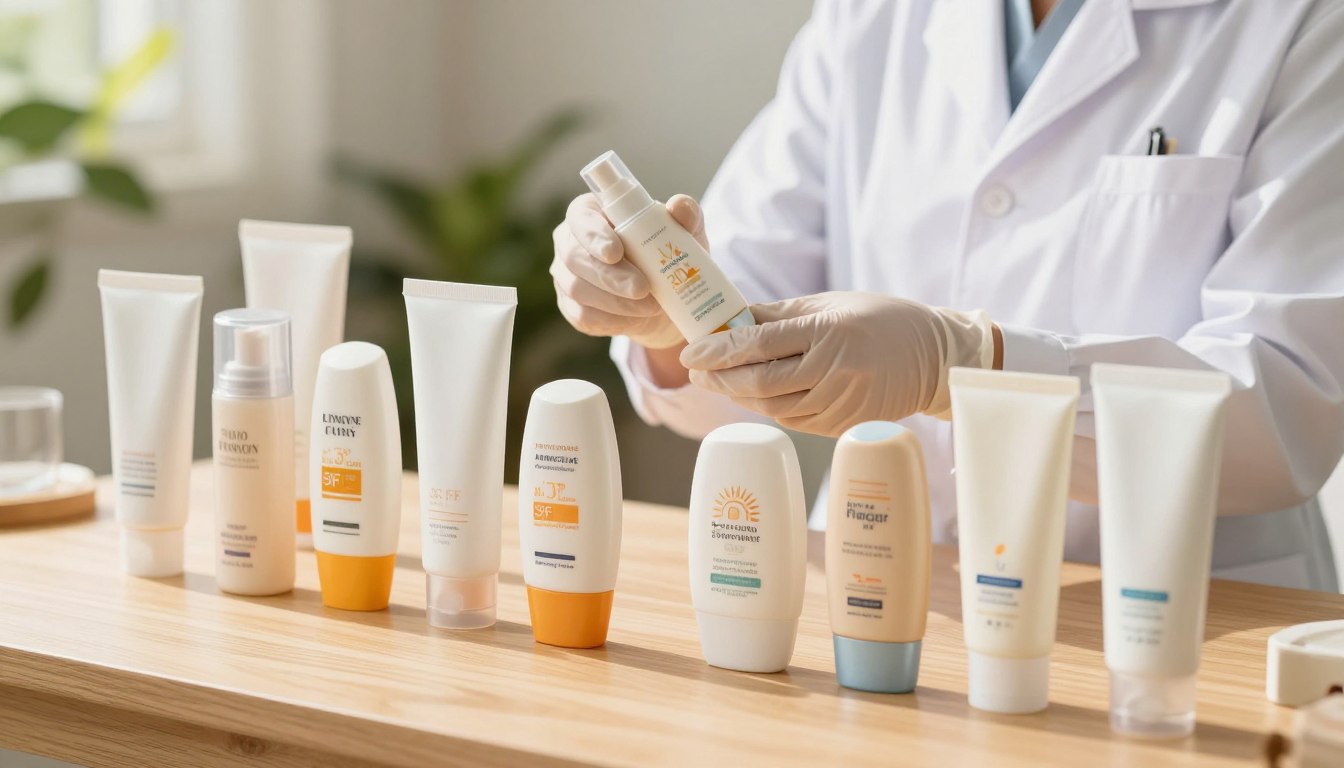
Did you know that up to 90% of visible skin aging is caused by sun exposure? This startling statistic underscores the importance of effective sun protection. Regardless of your age or skin type, incorporating sunscreen into your daily routine is essential.
The right SPF not only guards against harmful rays but also plays a vital role in enhancing your skin’s overall appearance. Many formulations today include nourishing ingredients like Niacinamide and Hyaluronic acid, which help combat fine lines and improve skin texture.
In this guide, you will learn how to select a sunscreen that fits your specific needs. We will explore the differences between mineral and chemical options, discuss powerful ingredients, and provide tips for application. With expert insights and product recommendations, you will be well-equipped to make informed choices.
Key Takeaways
- Daily sunscreen use is crucial for maintaining youthful skin.
- Understanding SPF levels and ingredient benefits is key.
- Mineral vs. chemical sunscreens: know the differences.
- Expert tips can enhance your application technique.
- Consulting professionals can help tailor your skincare routine.
Why Sunscreen is Essential for Preventing Premature Aging
Exposure to sunlight can dramatically affect the aging process of your skin. Unprotected sun exposure drastically accelerates the appearance of aging skin. Dr. Margarita Lolis, a board-certified dermatologist, explains that while mature skin already experiences these effects, failing to use sunscreen daily can send the aging process into hyperdrive.
UVA rays penetrate deep into the dermis, damaging collagen and elastin, the proteins that keep your skin plump and firm. In contrast, UVB rays primarily affect the outer layer, causing sunburn and increasing the risk of skin cancer.
How Sun Exposure Accelerates Skin Aging
Understanding the impact of sun exposure is crucial for maintaining youthful skin. Here are some key points to consider:
- Sun exposure is the leading external cause of premature skin aging, responsible for up to 90% of visible changes like fine lines, wrinkles, and dark spots.
- UVA rays penetrate deeply, breaking down collagen and elastin, which leads to a loss of firmness and elasticity over time.
- UVB rays damage the skin’s surface, causing sunburn, uneven pigmentation, and increasing skin cancer risk with repeated exposure.
The Benefits of Daily Broad-Spectrum Protection
Daily use of a broad-spectrum sunscreen with at least SPF 30 creates a protective shield against both UVA and UVB rays. Here’s why incorporating sunscreen into your morning skincare routine is vital:
- It prevents sun damage before it starts, keeping your skin looking smoother and more youthful.
- Consistent sun protection can allow your skin to repair some existing damage, as it is no longer under constant assault from harmful rays.
- When you protect your skin daily, other skincare products work more effectively because your skin barrier remains intact and healthy.
- Broad-spectrum protection reduces the risk of developing skin cancers, including melanoma.
- Even on cloudy days or indoors, UV rays can reach your skin, making daily sunscreen application essential.
Think of sunscreen as the foundation of your skincare philosophy. Without it, all other anti-aging efforts are undermined by ongoing sun damage.
Understanding the Best Sunscreen for Aging Skin
The effects of sunlight on your skin can accelerate the signs of aging. Therefore, it’s essential to choose a sunscreen that meets the specific needs of mature skin. This type of sunscreen should do more than just provide basic sun protection; it should also include ingredients that hydrate and support your skin.
Aging skin often experiences reduced moisture and antioxidant levels. This makes supportive ingredients essential for maintaining its health and appearance. Antioxidants like vitamin C and vitamin E play a vital role in combating free radicals generated by sun exposure. They help reduce oxidative stress and support collagen production, which is crucial for skin elasticity.
Another standout ingredient is niacinamide, known for its ability to improve skin texture, minimize fine lines, and provide anti-inflammatory benefits. For hydration, ingredients like hyaluronic acid and squalane are key. Hyaluronic acid can hold up to 1,000 times its weight in water, ensuring lasting hydration. Meanwhile, squalane locks in moisture and strengthens the skin barrier.
What Makes a Sunscreen Ideal for Mature Skin?
- The ideal sunscreen goes beyond basic sun protection by incorporating hydrating and anti-aging ingredients.
- Mature skin tends to be drier and more sensitive, so look for moisturizing agents like hyaluronic acid.
- Antioxidants such as vitamin C and vitamin E neutralize free radicals from UV exposure.
- Niacinamide helps even out skin tone and calms inflammation.
- Formulas with zinc oxide provide broad-spectrum protection and are gentle on sensitive skin.
- Lightweight, serum-like textures absorb quickly and layer well under makeup.
- Advanced formulas may also include peptides and ceramides for additional skin barrier support.
- Choosing a sunscreen with these benefits combines your moisturizer, anti-aging serum, and sun protection into one step.
- The right formula will leave your skin feeling comfortable and hydrated throughout the day.
- Investing in high-quality sunscreen improves your skin’s health while protecting it from future damage.
The Role of Antioxidants and Hydrating Ingredients
When you select a sunscreen, consider how it can enhance your skincare routine. A product that integrates antioxidants and hydrating elements can significantly benefit your skin. By choosing wisely, you can ensure that your sunscreen not only protects against UV rays but also nourishes your skin.
| Ingredient | Benefits |
|---|---|
| Hyaluronic Acid | Provides deep hydration, plumps skin, reduces fine lines. |
| Vitamin C | Brightens skin, neutralizes free radicals, boosts collagen. |
| Niacinamide | Improves texture, minimizes pores, calms inflammation. |
| Zinc Oxide | Offers broad-spectrum protection, gentle on sensitive skin. |
Mineral vs. Chemical Sunscreens: Which is Better for Aging Skin?
Sun exposure plays a critical role in how quickly your skin shows signs of aging. Choosing the right type of sunscreen is essential for effective protection. You have two main options: mineral and chemical sunscreens. Each has its own benefits and drawbacks, particularly for mature skin.
Pros and Cons of Mineral Sunscreens
Mineral sunscreens, which include zinc oxide and titanium dioxide, create a physical barrier on your skin. This barrier reflects harmful UV rays, acting like a mirror. Here are some advantages:
- Immediate protection: These sunscreens start working right after application, so you can head outside without delay.
- Gentle on sensitive skin: Dermatologists often recommend mineral options because they are less likely to irritate your skin.
- Effective for post-procedure skin: If you’ve recently had cosmetic treatments, mineral sunscreens are a safer choice.
However, there are some downsides. Traditional mineral formulas can leave a white cast on your skin. Fortunately, newer microfine versions, like Z-Cote zinc oxide, blend in more seamlessly.
Pros and Cons of Chemical Sunscreens
Chemical sunscreens absorb UV rays and convert them into heat, which is then released from your skin. Common chemical filters include avobenzone and octinoxate. Here’s what to consider:
- Invisible finish: These formulas often provide a more elegant, non-greasy texture that layers well under makeup.
- Time to activate: They usually take about 15 to 30 minutes to become effective, so you need to plan ahead.
- Potential irritation: Some chemical filters can cause allergic reactions, especially for aging or sensitive skin.
Ultimately, the best choice for your skin is the sunscreen you will use consistently. Whether you prefer a gentle mineral sunscreen or a well-formulated chemical option, regular application is key to maintaining healthy skin.
Top Mineral Sunscreens Recommended for Aging Skin
Choosing the right mineral sunscreen can significantly impact your skin’s health and appearance. These products not only protect against harmful UV rays but also incorporate beneficial ingredients that nourish and support your skin.
SkinCeuticals Future Mineral UV Defense SPF 50
This mineral sunscreen utilizes a unique form of zinc oxide called Z-Cote. It features microfine particles that blend seamlessly into your skin, avoiding the dreaded white cast often associated with traditional formulas. With 15.35% zinc oxide and 2.66% titanium dioxide, this product provides broad-spectrum protection.
Additionally, it contains 3% niacinamide and 0.5% panthenol, which help calm redness and improve skin tone. Dr. Jane Yoo notes, “This is great for mature skin since it adds the benefit of being broad spectrum and integrating actives to improve the appearance of fine lines, wrinkles, and discoloration.”
Isdin Eryfotona Ageless Tinted Mineral Sunscreen
Another excellent choice is the Isdin Eryfotona Ageless Tinted Mineral Sunscreen. This product not only provides powerful sun protection with 10.7% zinc oxide but also features photolyase enzymes that assist in repairing DNA damage caused by UV exposure. Its subtle tint helps even out your complexion while delivering essential hydration.
The formula includes peptides and plankton extract, which work together to improve hyperpigmentation and reduce the appearance of fine lines over time.
EltaMD UV Clear SPF 46 for Sensitive and Dull Skin
EltaMD UV Clear SPF 46 is a favorite among users for its lightweight, silky texture. This mineral sunscreen combines 9% zinc oxide with niacinamide and hyaluronic acid to brighten dull skin while providing lasting hydration. It is particularly well-suited for sensitive and acne-prone skin types.
Despite its moisturizing properties, EltaMD UV Clear offers an oil-free, matte finish, making it an excellent choice for those concerned about shine. The addition of lactic acid gently exfoliates, helping to unclog pores and smooth skin texture without irritation.
All three of these mineral sunscreen products are fragrance-free and dermatologist-tested, making them safe and effective options for your sensitive, aging skin.
Best Chemical Sunscreens That Nourish Aging Skin
Your choice of sunscreen can significantly influence how your skin looks and feels. Chemical sunscreens are a popular option for those seeking effective sun protection while also nourishing their skin. Here are three standout products that not only protect but also enhance your skin’s appearance.
Bioré UV Aqua Rich Weightless Moisturizer SPF 50
Bioré UV Aqua Rich Weightless Moisturizer SPF 50 is a 2024 Allure Best of Beauty winner. This product is celebrated for its ability to deliver deep hydration without weighing your skin down. Dr. Geeta Yadav notes that it “contains glycerin and sodium hyaluronate to pull water into the skin without weighing it down.”
Key ingredients include:
- 3% avobenzone
- 10% homosalate
- 5% octisalate
- 5% octocrylene
- Glycerin
- Sodium hyaluronate
This formula is not fragrance-free, but it offers a lightweight, breathable finish that feels refreshing on the skin.
Chanel UV Essentiel for Makeup-Friendly Protection
Chanel UV Essentiel is the ultimate makeup-friendly sunscreen. Its silky, ribbon-like texture melts into your skin, creating a smooth canvas for foundation. This luxurious formula includes:
- 3% avobenzone
- 10% homosalate
- 5% octisalate
- 5% octocrylene
- Glycerin
- Sodium hyaluronate
- Moringa oil
- Camellia seed oil
- Blue ginger
- Licorice
Antioxidants from blue ginger and licorice provide an extra layer of defense against pollution and oxidative stress, helping to slow down the signs of skin aging.
Shiseido Urban Environment Vita-Clear Sunscreen with Vitamin C
Shiseido Urban Environment Vita-Clear Sunscreen is a 2023 Best of Beauty Award winner. This product combines daily SPF with a built-in dose of vitamin C, which actively brightens dark spots and hyperpigmentation while protecting your skin. Its water-in-gel formula feels bouncy and refreshing, absorbing quickly to leave your complexion looking diffused and radiant.
Key ingredients include:
- 2.3% avobenzone
- 10% homosalate
- 5% octisalate
- 5% octocrylene
- Vitamin C
- Hyaluronic acid
All three of these chemical sunscreens offer broad-spectrum protection and layer beautifully under makeup without pilling or settling into fine lines.
Sunscreens with Added Skin Barrier Repair Benefits
The right sunscreen can do more than just shield your skin from UV rays; it can also help repair your skin’s barrier. One standout product in this category is the La Roche-Posay Toleriane Double Repair Moisturizer SPF 30. This formulation is favored by dermatologists for its blend of protective and restorative ingredients.
Dr. Wang highlights this product as a top choice due to its trifecta of skin enhancers: hydrating glycerin, irritation-calming niacinamide, and moisture-sealing ceramides. Marisa Garshick, MD, notes,
“This is easy to apply and combines SPF with moisturizing ingredients and ceramides to help restore the skin’s natural protective barrier.”
Key Ingredients for Skin Barrier Support
This sunscreen includes several key ingredients that work together to protect and nourish your skin:
- Avobenzone (3%): Provides broad-spectrum sun protection.
- Homosalate (5%): Helps absorb UV rays effectively.
- Octisalate (5%): Stabilizes sunscreen formulas for longer-lasting protection.
- Octocrylene (7%): Enhances the product’s water resistance.
- Ceramides: Essential lipids that help maintain a healthy skin barrier.
- Niacinamide: Known for its calming properties and ability to improve skin texture.
- Glycerin: A powerful humectant that hydrates and plumps the skin.
- Thermal Spring Water: Soothes irritation and provides antioxidant benefits.
This fragrance-free formula is lightweight and blends seamlessly into the skin without leaving a white cast. You’ll appreciate how it suits all skin tones and types, including sensitive skin.
Regular use of a barrier-supporting sunscreen like this one can help protect your skin from cumulative damage, reducing the risk of premature aging and increasing sensitivity. For optimal results, apply it generously as the last step in your morning skincare routine.
Choosing Sunscreen According to Your Skin Type and Concerns
Understanding your skin type is crucial when choosing a sunscreen that offers effective protection. Your skin type plays a vital role in determining which sunscreen will work best for you. It’s important to select a formula tailored to your specific concerns and needs.
Options for Sensitive and Dry Skin
If you have sensitive skin, prioritize fragrance-free, alcohol-free mineral sunscreens with zinc oxide. These are the least likely to cause irritation or allergic reactions. The American Academy of Dermatology recommends avoiding unnecessary additives when caring for sensitive or aging skin.
For dry, mature skin, look for sunscreens packed with hydrating ingredients like hyaluronic acid, glycerin, and squalane. These ingredients provide moisture while protecting your face from the sun.
Formulas for Oily, Acne-Prone, or Combination Skin
Those with oily or acne-prone skin should seek out oil-free, non-comedogenic formulas with a matte finish. These products control shine without clogging pores or causing breakouts. Combination skin types benefit from lightweight, gel-based sunscreens that hydrate dry areas without making the T-zone feel greasy or congested.
Considerations for Tinted and Lightweight Sunscreens
Tinted sunscreens are a fantastic option for aging skin. They provide a touch of coverage that evens out your complexion while offering iron oxides that protect against visible light. Modern tinted mineral sunscreens have come a long way in reducing white cast, making them suitable for a wider range of skin tones than ever before.
Lightweight, serum-like sunscreen formulas are ideal if you layer multiple skincare products or wear makeup daily. They absorb quickly without pilling, ensuring your skin feels comfortable throughout the day.
Consider your lifestyle when choosing a sunscreen. If you’re active outdoors, a water-resistant formula might be essential. On the other hand, indoor days may call for a more cosmetically elegant product. Don’t hesitate to try different products until you find the one that feels right for you. The best sunscreen is ultimately the one you’ll use consistently every single day.
Ingredients to Look for and Ingredients to Avoid in Sunscreens for Aging Skin
Understanding which ingredients benefit your skin can transform your approach to sun protection. The right components in your sunscreen can enhance its effectiveness in combating the signs of aging.
When selecting a sunscreen, focus on ingredients that provide nourishment and protection. Here are some key beneficial ingredients:
Beneficial Ingredients
- Niacinamide: This powerhouse ingredient brightens your complexion, minimizes the appearance of pores, and boosts collagen production to soften fine lines.
- Hyaluronic Acid: Essential for mature skin, it attracts and holds moisture, plumping up your skin and making it look more hydrated and youthful throughout the day.
- Vitamin C: A top-tier antioxidant that neutralizes free radicals from sun exposure, helps fade dark spots, and supports your skin’s natural collagen and elastin production.
- Zinc Oxide: Provides reliable broad-spectrum protection while being gentle enough for even the most sensitive skin, making it a dermatologist favorite for aging complexions.
On the flip side, be cautious of certain ingredients that can be detrimental to your skin’s health:
Ingredients to Avoid
- Fragrance: Added fragrances can irritate your skin and trigger allergic reactions or contact dermatitis.
- Alcohol: Alcohol-based formulas can be extremely drying and disruptive to your skin barrier, stripping away natural oils that mature skin desperately needs to retain.
- Certain Chemical Filters: Filters like oxybenzone have been linked to skin irritation and potential hormonal disruption, leading many experts to recommend avoiding them.
- Dyes and Unnecessary Additives: These serve no protective purpose and only increase the risk of irritation for your sensitive, aging skin.
Always check the ingredient list on your sunscreen and opt for clean, minimal formulas that prioritize skin health alongside effective sun protection.
| Ingredient | Benefits |
|---|---|
| Niacinamide | Brightens complexion, boosts collagen, minimizes pores. |
| Hyaluronic Acid | Attracts moisture, plumps skin, enhances hydration. |
| Vitamin C | Neutralizes free radicals, fades dark spots, supports collagen. |
| Zinc Oxide | Provides broad-spectrum protection, gentle on sensitive skin. |
| Fragrance | Can irritate skin, trigger allergic reactions. |
| Alcohol | Dries skin, disrupts natural oils. |
| Chemical Filters | May cause irritation, linked to hormonal disruption. |
| Dyes/Additives | Increase irritation risk, serve no protective purpose. |
Tips for Applying Sunscreen to Maximize Protection and Skin Health
Applying sunscreen correctly is essential for maintaining healthy skin and preventing premature aging. Understanding how much to use and when to reapply can significantly enhance its effectiveness.
How Much Sunscreen to Use and When to Reapply
You’ll need about a nickel-sized amount just for your face and a shot glass worth (approximately 1 ounce) for your entire body. Don’t forget hard-to-reach spots like your neck, ears, and the tops of your feet.
For the best protection, reapply every two hours, or more often if swimming or sweating. This ensures that your skin remains shielded from harmful UV rays throughout the day.
Integrating Sunscreen into Your Daily Skincare Routine
Make sunscreen the final step in your morning skincare routine, applied after your moisturizer and before makeup. Allow it to set for a few minutes before applying foundation or other face products.
Here are some tips to help you integrate sunscreen into your daily routine:
- Applying the right amount of sunscreen is crucial—you need about a nickel-sized dollop to adequately cover your entire face and protect skin from UV damage.
- Most people don’t use nearly enough product, so be generous and make sure you’re covering often-missed areas like your ears, neck, and the delicate skin around your eyes.
- You should reapply sunscreen every two hours when you’re outdoors, and immediately after swimming, sweating, or toweling off to maintain continuous protection.
- Integrating sunscreen daily into your routine means keeping a bottle visible on your bathroom counter or in your bag so you never forget this essential step.
- For days when you wear makeup, consider using a setting spray with SPF or a powder sunscreen for easy touch-ups that won’t disrupt your look.
- Don’t forget that sun exposure happens through car windows and office windows too, so wearing sunscreen daily is important even if you’re mostly indoors.
- Establishing a consistent routine with sunscreen is one of the best habits you can develop to keep skin looking healthy, youthful, and protected from cumulative damage.
- If you struggle with remembering to reapply, set a reminder on your phone or invest in a sunscreen stick that’s easy to carry and apply on the go.
Why You Should Choose Broad-Spectrum and High SPF Products
The damaging effects of sunlight can significantly speed up the aging of your skin. To combat this, selecting a broad-spectrum sunscreen with a high SPF is essential. Understanding the differences between UVA and UVB protection can help you make informed choices.
Understanding SPF and UVA/UVB Protection
SPF stands for Sun Protection Factor. It measures how well a sunscreen protects your skin from UVB rays, which cause sunburn. For example, SPF 30 means it will take 30 times longer for your skin to burn compared to wearing no protection at all. While SPF mainly indicates protection against UVB rays, it’s important to also look for broad-spectrum protection to guard against UVA rays. These rays contribute to premature aging and skin damage.
UVA rays penetrate deeper into the skin and are present year-round, even on cloudy days. In contrast, UVB rays are more intense during summer months and at higher altitudes. Therefore, choosing a broad-spectrum sunscreen ensures you’re protected against both UVA and UVB rays, which cause different types of damage to your skin at every level.
The Importance of Reapplying Sunscreen Throughout the Day
Reapplying sunscreen throughout the day is critical. The protective ingredients break down with sun exposure and can be rubbed off by clothing, sweat, and water. Even the best broad-spectrum sunscreen loses effectiveness after about two hours. Consistent reapplication is the key to maintaining a strong shield against harmful rays.
Many people mistakenly believe that a higher SPF means they can stay in the sun longer. However, the real benefit is stronger, more reliable protection against UVB rays. For your face, consider layering a broad-spectrum sunscreen under makeup and using a touch-up product like an SPF powder for midday reapplication.
Remember that no sunscreen blocks 100% of UV rays. Combining sun protection with protective clothing, hats, and seeking shade during peak hours offers the best defense.
Conclusion
The sun’s rays can profoundly affect how your skin ages over time. You’ve now learned that the right product offers broad-spectrum protection with at least SPF 30, while also delivering nourishing ingredients that support your skin’s health. Whether you prefer a mineral option or a lightweight chemical formula, comfort is key for daily use.
Your routine should include applying a generous amount of sunscreen to your face and neck each morning, followed by reapplication throughout the day. The highlighted products—from SkinCeuticals to La Roche-Posay to Bioré—represent excellent options across various price points.
Remember, consistent sun protection is one of the most effective investments you can make against fine lines and dark spots. Pairing your sunscreen with antioxidants like vitamin C and hydrating ingredients like hyaluronic acid amplifies the benefits. If you’re unsure which sunscreen suits your unique concerns, consider scheduling a consultation with skincare professionals.
Reign Beauty and Vitality in Henderson, NV, offers comprehensive services to guide you toward the ideal sun protection products for your needs. Start today by committing to daily sunscreen use, and your future self will thank you for the years of beautiful, protected skin you’ve invested in.