
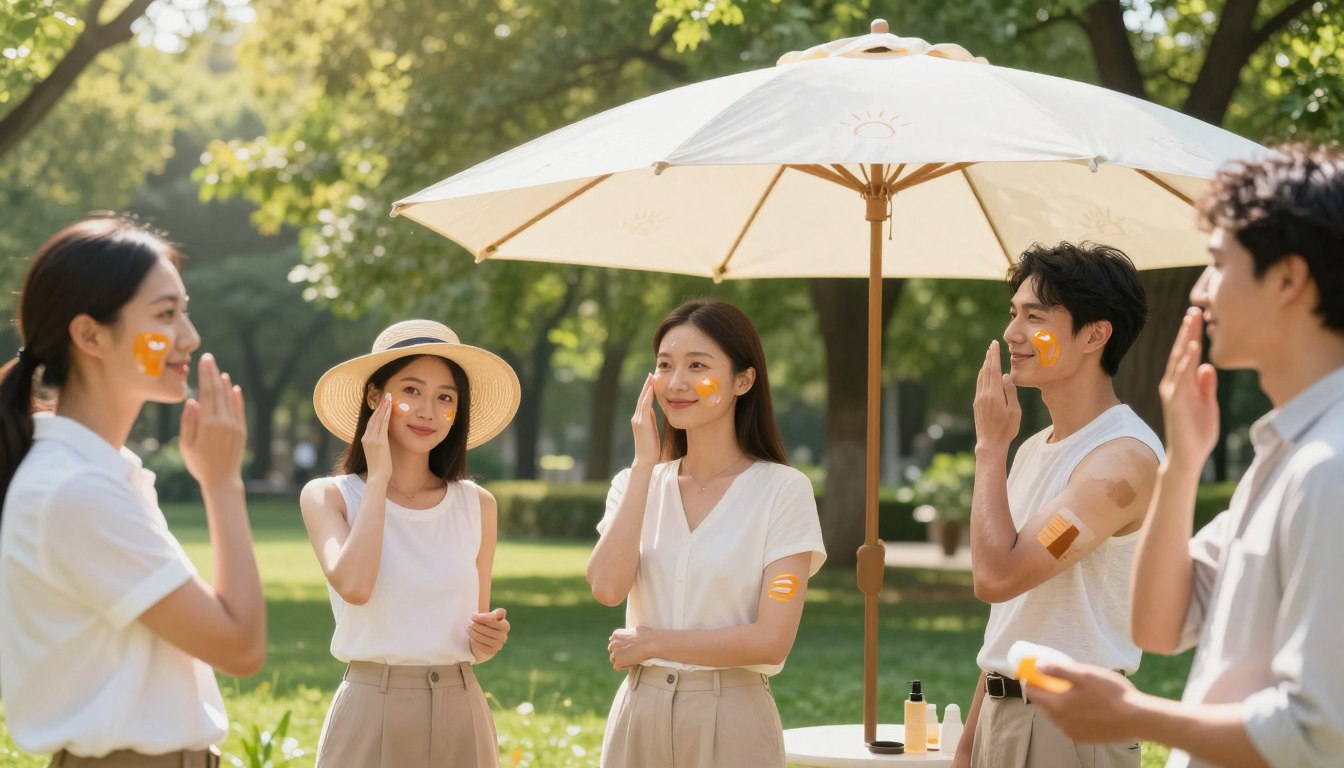
Did you know that skin cancer is the most common cancer in the United States? This alarming statistic highlights the importance of protecting your skin from harmful rays. Every time you step outside, your skin is exposed to invisible ultraviolet (UV) light, which can lead to serious health issues over time.
At Reign Beauty and Vitality in Henderson, NV, we understand the significance of skin health. Our commitment is to help you achieve youthful, vibrant skin through effective strategies. Protection from UV rays is essential, not just in summer, but all year round. Even on cloudy days, these rays can reach you and cause harm.
In this guide, you’ll discover simple habits that can make a big difference. From selecting the right sunscreen to wearing stylish protective clothing, we’ll cover everything you need to know. Remember, taking care of your skin now will pay off in the future. Let’s embark on this journey to healthier skin together!
Key Takeaways
- Discover a complete guide to keeping your skin looking young.
- Understand the impact of daily UV exposure on your skin.
- Learn effective and simple habits for skin protection.
- Explore stylish options for protective clothing.
- Find out how timing outdoor activities can reduce exposure.
Why You Should Care About Sun Damage Prevention
In the U.S., skin cancer holds the title of the most commonly diagnosed cancer. This alarming fact underscores the importance of protecting your skin from harmful UV rays. In 2024 alone, over 100,000 new melanoma cases were reported. This statistic highlights the growing concern surrounding skin health.
Every sunburn you experience can elevate your risk of developing skin cancer. However, it’s not just those beach days that are problematic. Simple activities, like stepping outside to get the mail or walking the dog, without proper protection also contribute to skin damage.
Here are some crucial points to consider:
- You might think a little sun exposure here and there is harmless, but the truth is that UV damage accumulates silently over your lifetime.
- Understanding the real risks of UV exposure is the first step toward protecting yourself and your loved ones from skin cancer.
- Skin cancer remains the most common cancer in the United States, and more than 100,000 new melanoma cases were diagnosed in 2024 alone.
- Every sunburn you’ve ever experienced has increased your risk, but even tanning without burning signals DNA damage deep within your skin cells.
- Beyond the cancer risk, sun exposure is the number one cause of premature aging, leading to leathery texture, deep wrinkles, and dark spots that can make you look years older than you are.
- Medical aesthetics providers regularly treat patients whose deep wrinkles and uneven pigmentation are directly tied to years of unprotected sun exposure.
- Using tanning beds is not a safe alternative—using one before age 35 increases your melanoma risk by a staggering 75 percent.
- The effects of UV radiation go beyond cosmetics, as cumulative damage can lead to actinic keratoses and other precancerous conditions that require medical intervention.
- When you understand how sun exposure affects both your skin’s health and its appearance, you’ll feel more motivated to build daily protection habits.
- Caring about prevention today means you’re investing in healthier, more youthful-looking skin for decades to come.
| Skin Cancer Risk Factors | Details |
|---|---|
| Sunburns | Each sunburn increases the risk of skin cancer. |
| Indoor Tanning | Using tanning beds before age 35 raises melanoma risk by 75%. |
| Cumulative Exposure | Daily sun exposure adds up, increasing long-term risks. |
| Age | One in five Americans will develop skin cancer by age 70. |
At Reign Beauty and Vitality in Henderson, NV, we see firsthand how cumulative sun exposure affects skin health. We’re here to help you understand why prevention is your most powerful tool.
How Ultraviolet (UV) Rays Impact Your Skin
Understanding how ultraviolet rays affect your skin is crucial for your health. These invisible rays are a form of energy emitted by the sun, tanning beds, and sunlamps. Knowing the differences between UVA and UVB rays can empower you to make better choices for your skin.
The Difference Between UVA and UVB Rays
UVA rays are known as the aging rays. They penetrate deep into the dermis, damaging collagen and elastin, which can lead to wrinkles and sagging skin over time. On the other hand, UVB rays are the burning rays that primarily affect the surface layers of your skin. They play a significant role in the development of skin cancer.
Both types of UV radiation are harmful, even on days when the sun doesn’t feel strong. In fact, up to 80% of UV rays can pass through cloud cover, so you’re not safe just because it’s overcast.
When UV Rays Are Strongest During the Day and Year
Typically, UV rays are strongest between 10 a.m. and 4 p.m. during daylight saving time. During this time, you should be especially vigilant about protecting your skin. The UV Index is a helpful tool to check daily. If the index is 3 or higher, it’s time to take sun protection seriously.
Moreover, surfaces like water, sand, concrete, and snow can reflect UV radiation. This means you can be exposed to rays from above and below simultaneously. Understanding when UV rays are at their peak allows you to plan your outdoor activities more strategically.
- Ultraviolet radiation is a form of energy that penetrates your skin and damages the DNA inside your cells.
- UVA rays contribute to skin aging, while UVB rays cause sunburn and increase skin cancer risk.
- Awareness of UV exposure helps you build better sun protection habits.
- Knowing the strongest hours for UV rays helps you stay safe while enjoying outdoor activities.
Protective Clothing: Your First Line of Defense Against Sun Damage
Protecting your skin starts with the clothing you choose to wear. The right fabrics can provide a great barrier against harmful UV rays. Unlike sunscreen, which needs to be reapplied, clothing offers consistent protection over time. When shopping for sun-safe clothing, look for UPF (ultraviolet protection factor) ratings on the labels. A shirt labeled UPF 50 allows just 1/50th of UV radiation to reach your skin.
Clothes made from tightly woven fabric offer the best protection. For instance, a wet T-shirt provides much less UV protection than a dry one. Additionally, darker colors may offer more coverage than lighter shades. To maximize your protection, consider the following:
- Choose Protective Clothing: Think of protective clothing as your first and most reliable line of defense. Unlike sunscreen, it doesn’t wear off or need reapplication.
- Look for UPF Ratings: A UPF 50 garment allows only one-fiftieth of UV radiation to reach your skin, making it an excellent choice.
- Fabric Matters: Tightly woven fabrics in darker colors generally provide better protection. Avoid stretched or wet clothing that lets more light through.
- Invest in a Wide-Brimmed Hat: A hat that goes all the way around is one of the best investments for shading your face, ears, and the back of your neck.
- Avoid Straw Hats with Holes: Instead, choose canvas or densely woven materials for maximum coverage.
- Protect Your Eyes: Your eyes and the delicate skin around them need protection too. Choose sunglasses labeled UV400 or 100% UV protection to block more than 99 percent of harmful rays.
- Opt for Wrap-Around Styles: These styles are especially effective because they prevent UV light from sneaking in from the sides.
- Cover Vulnerable Areas: Don’t forget that your neck, ears, and the back of your hands are often exposed. Long sleeves and high collars can be your friends.
- Fashion Meets Function: Many brands now offer stylish sun protective clothing that looks great and feels breathable, so you don’t have to sacrifice fashion for safety.
- Build a Consistent Barrier: By making protective clothing a natural part of your wardrobe, you’re building a consistent barrier against cumulative sun exposure every single day.
Incorporating these protective clothing strategies into your daily routine can significantly reduce your risk of skin issues. At Reign Beauty and Vitality, we encourage you to think of sun protection as a stylish, layered approach that starts with what you wear.
| Clothing Type | Protection Level |
|---|---|
| UPF 50 Shirt | Allows 1/50th of UV radiation to reach skin |
| Tightly Woven Fabric | Best protection against UV rays |
| Darker Colors | Generally offer better protection |
| Wide-Brimmed Hat | Shades face, ears, and neck |
| UV400 Sunglasses | Blocks over 99% of harmful rays |
Mastering Sunscreen Use for Effective Sun Damage Prevention
Taking care of your skin requires understanding the vital role of sunscreen in your daily routine. You can’t talk about protecting your skin without putting sunscreen at the center of the conversation. Choosing the right product makes all the difference.
Picking the Right Sunscreen: Broad-Spectrum, SPF, and Water Resistance
Always look for the words “broad spectrum” on the label. This means the sunscreen protects you from both aging UVA rays and burning UVB rays. For daily use, reach for a broad-spectrum sunscreen with an SPF of 30 or higher. If you’re planning extended outdoor activities, consider using a product with an SPF of 50 or higher.
The sun protection factor number tells you how much longer it would take for your skin to redden compared to wearing no protection at all. Most adults need about one ounce—roughly a shot glass—of sunscreen to cover all exposed areas effectively.
How Much Sunscreen to Apply and When to Reapply
Reapplication is where many fall short. You need to put sunscreen on again every two hours and immediately after swimming, sweating, or towel drying. Remember, no sunscreen is truly waterproof. Water-resistant formulas last either 40 or 80 minutes, so check your product and reapply accordingly.
Common Sunscreen Mistakes to Avoid
It’s easy to overlook certain areas. Commonly missed spots include:
- Ears
- The back of your neck
- Your hands
- Your feet
- Your lips
- Even your scalp if your hair is thinning
Also, don’t forget to check the expiration date on your sunscreen. Products exposed to high temperatures can degrade faster and lose effectiveness. By mastering these sunscreen habits, you’re giving your skin the consistent, reliable protection it needs to stay healthy and youthful.
Using Shade and Smart Timing to Limit UV Exposure
Strategically managing your time outdoors can significantly lower your risk of UV exposure. By being mindful of when and where you spend time outside, you can protect your skin from harmful rays. Reign Beauty and Vitality recommends that you think of shade as your refuge and smart timing as your strategy for enjoying the outdoors without compromising your skin’s health.
UV rays tend to be strongest from 10 a.m. to 4 p.m. during daylight saving time. During these hours, it’s wise to seek shade under an umbrella, tree, or other shelter. While shade provides some protection, it’s not a perfect shield. Some UV rays can still reach your skin by passing through leaves and branches or reflecting off surfaces like water, sand, glass, and concrete.
Seeking Shade During Peak UV Hours
When you are outside during peak hours, think of shade as your best friend. Look for umbrellas, trees, awnings, or covered porches whenever possible. Simple choices, like walking on the shady side of the street or sitting under a sun-protective umbrella at a pool party, can make a significant difference over time.
Planning Outdoor Activities to Reduce Sun Risks
Planning your outdoor activities for early morning or late afternoon is a smart move. This timing allows you to enjoy the outdoors while minimizing your exposure to harmful rays. Checking the daily UV Index is a simple habit that helps you gauge how much caution you need on any given day. If the UV Index is 3 or higher in your area, it’s a clear signal to be extra diligent about seeking shade and limiting direct sunlight.
By making shade and smart timing part of your routine, you’re taking a proactive step that your skin will thank you for years down the road. Remember, combining shade with other methods like sunscreen and protective clothing gives you the most complete protection.
Additional Daily Habits to Boost Your Sun Damage Prevention Strategy
Building a robust strategy for skin protection involves daily habits that enhance your overall defense. These habits can significantly improve your skin’s resilience against harmful rays and environmental stressors.
One key area to focus on is hydration. Staying well-hydrated supports your skin’s natural barrier function and helps it recover from environmental stressors, including UV exposure. Alongside hydration, consider incorporating protective makeup into your routine.
Staying Hydrated and Wearing Protective Makeup
While makeup products with SPF are a nice bonus, you shouldn’t rely on them alone. These products are rarely applied thickly enough to provide full protection. Think of SPF-infused foundation or tinted moisturizer as a supplementary layer on top of your regular broad-spectrum sunscreen, not a replacement.
In addition to your face, remember to protect vulnerable areas like your ears, the back of your neck, and your hands. These areas are often forgotten and can show signs of damage early.
Protecting Vulnerable Areas Like Ears, Neck, and Hands
Your lips need protection too. Keep a lip balm with SPF handy and reapply it throughout the day just like you would with sunscreen. If your hair is thinning or you wear a style that exposes your scalp, that area is at risk for sun damage and even skin cancer. Use a spray sunscreen or wear a hat to cover it.
The skin on the back of your hands is thin and constantly exposed. This makes it one of the first places to reveal age spots and loss of elasticity from UV radiation. Building these small habits into your morning routine means you’re protecting yourself consistently, even on days when you don’t think you’ll be outside much.
Every layer of protection you add is an investment in keeping your skin looking youthful, even-toned, and healthy for the long haul.
| Vulnerable Areas | Protection Tips |
|---|---|
| Ears | Apply sunscreen and wear a hat with a brim. |
| Neck | Use a high-SPF sunscreen and consider a scarf. |
| Hands | Reapply sunscreen regularly and use SPF-infused lotion. |
| Lips | Keep a lip balm with SPF handy for frequent use. |
| Scalp | Use spray sunscreen or wear a hat for coverage. |
Special Considerations for Infants, Skin Tones, and Indoor UV Exposure
Understanding the unique needs of different age groups and skin tones is essential for effective skin protection. It’s important to recognize that everyone has different sun protection needs based on age, skin tone, and exposure levels. Here are some critical areas to focus on:
Sun Safety Tips for Babies and Young Children
For babies under six months old, sunscreen is not recommended. Instead, you should keep them out of direct sunlight entirely. Protective clothing, hats, and stroller shades are your best allies during this time.
Once your child reaches six months, you can start applying a gentle, mineral-based sunscreen. However, continue to prioritize shade and covering clothing for their delicate skin.
Why All Skin Tones Need Sun Protection
A dangerous misconception is that darker or olive-toned skin doesn’t need sun protection. The truth is that all skin tones are vulnerable to UV damage and skin cancer. Medical providers have treated patients of diverse backgrounds, including those with olive-toned skin, who have required multiple procedures for melanoma.
Protecting Yourself from UV Rays Indoors and in Vehicles
UV exposure doesn’t only happen outdoors. UVA rays can pass right through windows at home, in your car, and on airplanes. While car windshields are treated to block most UVA rays, your side and back windows usually aren’t. This leaves your face, neck, and hands exposed during long drives.
Frequent travelers, including airline pilots and crew members, have been shown to develop more skin cancers due to cumulative exposure through airplane windows. Additionally, tanning beds are never a safe option. Even one session raises your risk of all types of skin cancer, and using them before age 35 increases melanoma risk by 75 percent.
By understanding these special considerations, you can protect yourself and your family in every environment, from the playground to the driver’s seat.
Sun Damage Prevention in Your Lifestyle: Practical Tips from Reign Beauty and Vitality
Incorporating sun protection into your daily life is essential for maintaining healthy skin. The best path to beautiful skin involves making sun safety a routine habit. Here are some practical tips to seamlessly integrate these protective measures into your lifestyle.
Incorporating Sun Protection into Your Daily Routine
You can make sun damage prevention a seamless part of your lifestyle by building simple, repeatable habits that don’t feel like a chore. Start by keeping a broad-spectrum sunscreen with at least SPF 30 right next to your toothbrush. This way, you remember to apply it every single morning without fail.
Tuck a travel-sized sunscreen in your bag, your car, and your desk drawer. This ensures you’re never caught without protection when you need to reapply. On days when you’ll be near water or sweating, choose a water-resistant formula. Set a timer on your phone to remind you to reapply every two hours.
Your daily routine should also include checking the UV Index. This allows you to adjust your plans and protection level accordingly. If you enjoy outdoor activities, invest in stylish sun-protective clothing and accessories that you’ll actually want to wear.
When to Consult Experts for Personalized Advice
Monthly skin self-exams are a powerful habit. Look for new or changing spots, and don’t forget to check areas like your scalp, between your toes, and your back. You should see a dermatologist annually for a professional skin check. If you have risk factors like a family history of skin cancer or a history of tanning bed use, consider more frequent visits.
Reign Beauty and Vitality in Henderson, NV offers personalized consultations. Here, you can discuss your skin concerns and get expert guidance on the best products and treatments for your unique needs. By making sun protection a natural part of your everyday life, you’re not just preventing damage—you’re investing in a lifetime of healthier, more radiant skin.
Conclusion
Your skin’s health is a lifelong journey that begins with small, daily actions. Using protection consistently from an early age is your best defense against skin cancer. Remember, no single method can offer complete safety; the key is to layer multiple strategies into your lifestyle.
You’ve learned that UV rays are relentless, so your protection routine should be too. Every step you take—whether it’s applying broad-spectrum sunscreen, wearing UPF-rated clothing, or seeking shade—contributes to your overall defense.
Skin cancer remains the most common cancer in the United States, but it is preventable. With one in five Americans at risk by age 70, your daily choices matter. Start today by incorporating one new habit from this guide, and watch your skin thrive.
At Reign Beauty and Vitality in Henderson, NV, we’re here to support your journey toward healthier, younger-looking skin with expert care and personalized strategies. Together, we can make a difference!