
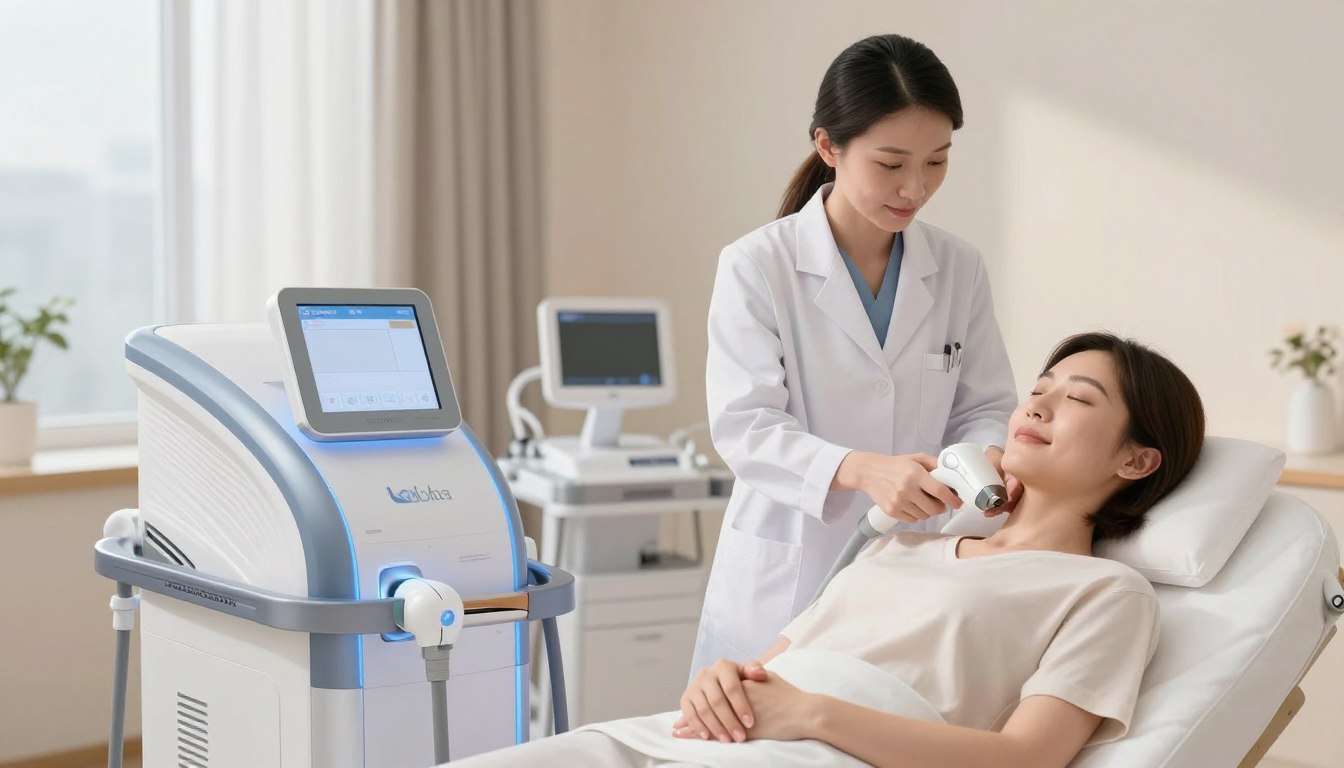
Did you know that nearly 90% of visible skin aging is caused by external factors, particularly sun exposure? Over time, that radiant, sun-kissed glow can turn into dark spots, fine lines, and wrinkles, making your skin appear older than it is. Fortunately, advancements in laser technology offer a way to address these issues effectively.
At Reign Beauty and Vitality in Henderson, NV, Lutronic’s LaseMD Ultra® laser treatments are designed to enhance your skin’s quality with precision and care. These services are not just about looking good; they are about feeling confident in your skin. Each treatment is thoughtfully curated to refine tone, improve texture, and restore clarity with minimal downtime.
The results? They feel as natural as they look, allowing you to embrace your beauty without any overdone effects. In this article, you will discover how to take proactive steps toward revitalizing your skin and learn about the science behind these innovative treatments.
Key Takeaways
- Discover how Lutronic’s LaseMD Ultra® laser offers a refined path to restoring your skin’s natural glow.
- Learn about the precision and care behind each treatment designed to enhance skin quality.
- Understand the importance of protecting your skin before any treatment can effectively improve it.
- Explore the benefits of collagen production and hyperpigmentation reduction in skin rejuvenation.
- Get insights on what to expect during and after your treatment, including visible changes.
Understanding Sun Damage: What Happens to Your Skin?
Understanding how sun exposure affects your skin is key to maintaining its youthful appearance. The sun emits two types of ultraviolet (UV) rays: UVA and UVB. Each type impacts your skin differently, leading to various signs of aging and potential health risks.
The Effects of UVA and UVB Rays on Skin Health
UVA rays have a longer wavelength and penetrate deeper into the skin. They are primarily responsible for premature aging, causing wrinkles and age spots that develop over time. Because they can penetrate through windows and clouds, they pose a constant threat to your skin.
On the other hand, UVB rays affect the outer layers of your skin. They are known for causing sunburn and play a significant role in the development of skin cancer. Understanding these differences is crucial for protecting your skin.
Signs and Symptoms of Sun-Damaged Skin
Recognizing the signs of sun-damaged skin is essential. Common symptoms include:
- Dark spots that appear over time
- Fine lines and wrinkles that become more pronounced
- Uneven skin tone and texture
- A leathery texture that adds years to your appearance
These signs indicate that your skin has been affected by prolonged exposure to UV rays.
Long-Term Risks of Unprotected Sun Exposure
Chronic exposure to UV radiation can lead to serious health risks. Both UVA and UVB rays contribute to long-term risks, including:
- Melanoma, the most dangerous form of skin cancer
- DNA damage in skin cells, which can lead to mutations
- Accelerated aging, resulting in loss of elasticity
It’s important to note that sun damage is cumulative. Every unprotected moment in the sun adds up over your lifetime. Dermatology experts emphasize the need for early recognition of changes in your skin, such as spots that grow in size, shape, or color.
Fine lines and wrinkles are not just cosmetic concerns; they are indicators of deeper damage to your skin health. Being proactive about sun protection can help you maintain a youthful appearance and reduce your risk of serious health issues.
Why Protecting Your Skin is the First Step in Reversing Damage
The journey to rejuvenating your skin begins with a strong foundation of protection. Preventing further harm is essential before you can address existing issues. Daily sun protection is your first line of defense against skin problems.
Applying sunscreen with a sun protection factor (SPF) of 30 or higher is crucial. This should be done every day, even when the weather is cloudy. Remember, UV rays can still reach your skin, leading to potential harm.
In addition to sunscreen, consider wearing protective clothing. Wide-brimmed hats and sunglasses can shield your skin from harmful rays. It’s also wise to seek shade during peak sun hours, typically between 10 AM and 4 PM.
Avoiding tanning beds is another vital step. These beds emit UVA rays, which are just as damaging as natural sunlight and increase your risk of skin cancer.
Here are some key strategies for effective sun protection:
- Make daily sun protection a non-negotiable step. You cannot address skin issues while new damage keeps accumulating.
- Apply broad-spectrum sunscreen. Choose SPF 30 or higher for daily use.
- Wear protective clothing. Use wide-brimmed hats and sunglasses during peak sun hours.
- Seek shade. Reducing overall sun exposure allows your skin to heal.
- Avoid tanning beds. They pose a significant risk to your skin’s health.
Prevention is essential for maintaining your skin’s health. It halts further damage to your skin cells and collagen. Consistent sun protection forms the foundation for all treatments aimed at addressing existing skin concerns.
A dermatologist can help you find the best sunscreen products and ingredients tailored to your skin type. Protecting your skin today significantly reduces your risk of developing new spots, wrinkles, and more serious conditions.
By establishing a strong defense against future sun exposure, you can confidently move forward with active treatments for your skin.
| Protection Strategy | Description |
|---|---|
| Daily Sunscreen | Apply SPF 30 or higher every day, even on cloudy days. |
| Protective Clothing | Wear wide-brimmed hats and sunglasses to shield your skin. |
| Seek Shade | Avoid direct sunlight during peak hours to reduce exposure. |
| Avoid Tanning Beds | Steer clear of tanning beds to minimize skin cancer risk. |
Principles of Reversing Sun Damage: What You Need to Know
Gaining insight into the core principles of skin recovery is vital for effective rejuvenation. To address the signs of aging and restore your skin’s vitality, you should focus on three main strategies: boosting collagen production, reducing hyperpigmentation, and enhancing skin texture and clarity.
Boosting Collagen Production for Skin Renewal
Collagen is the protein that keeps your skin firm and youthful. As you age, collagen production decreases, leading to sagging skin and wrinkles. To combat this, incorporating treatments that stimulate collagen production is essential.
Topical retinoic acid creams are an excellent starting point. These Vitamin A derivatives help your skin shed dead cells and create new ones. Over time, they can improve pigmentation and reduce the appearance of fine lines and wrinkles.
Reducing Hyperpigmentation and Improving Tone
Hyperpigmentation, or dark spots, can make your skin appear uneven and aged. To achieve a more radiant complexion, it’s crucial to focus on fading these spots and evening out your skin tone.
Products containing antioxidants, such as vitamins C and E, can neutralize free radicals generated by UV exposure. These antioxidants help reduce inflammation and improve skin texture, contributing to a more uniform tone.
Enhancing Skin Texture and Clarity
Improving skin texture involves smoothing rough patches and minimizing fine lines. Treatments that promote cell turnover can restore a healthy glow to your skin.
Retinoids, in particular, are effective in accelerating cell turnover and boosting collagen production. By incorporating these into your skincare routine, you can significantly reduce wrinkles and enhance your skin’s overall appearance.
Remember, reversing the effects of sun exposure is a gradual process. Consistent treatment and patience are key to achieving visible results. Laser treatments can also play a role in this process by targeting deeper layers of sun-damaged skin that topical products cannot reach.
Laser Therapy for Sun-Damaged Skin: An Effective Solution
Laser therapy has emerged as a leading solution for treating the visible effects of skin exposure. This innovative approach targets various issues, including wrinkles, redness, and dark spots caused by sun exposure. Many patients seek these treatments to rejuvenate their skin effectively.
There are several popular laser treatments available, each with its unique benefits. Understanding these options can help you make informed decisions about your skin care.
Overview of Popular Laser Treatments
Among the most effective laser treatments are:
- Intense Pulsed Light (IPL): This treatment is known for addressing pigment issues and redness. It offers minimal downtime, making it a popular choice for busy individuals.
- CO2 Laser: An ablative laser that creates microchannels in the skin, promoting new skin growth. While it provides dramatic improvements, it does require more recovery time.
Comparing LaseMD Ultra® with Other Laser Technologies
Lutronic’s LaseMD Ultra® stands out among laser technologies. It offers precision and subtlety, making it an excellent option for those seeking effective treatment with minimal downtime. Unlike more invasive options, LaseMD Ultra® focuses on stimulating collagen production deep within your skin.
This treatment is not limited to the face; it can also address sun-damaged areas on the neck, chest, arms, back, and hands. This versatility makes it a comprehensive solution for various skin concerns.
Why Laser Treatments are Preferred for Minimal Downtime
Many dermatology experts recommend laser treatments for their effectiveness and quick recovery. Patients often appreciate the significant results without the lengthy downtime associated with traditional methods. This is particularly beneficial for those with busy lifestyles.
Here’s a summary of the benefits of laser treatments:
- Targets wrinkles, redness, and dark spots effectively.
- Stimulates collagen production to improve skin texture and tone.
- Can treat multiple areas of the body, not just the face.
- Offers significant results with minimal recovery time.
| Treatment Type | Description | Downtime |
|---|---|---|
| Intense Pulsed Light (IPL) | Effective for pigment issues and redness. | Minimal |
| CO2 Laser | Ablative treatment promoting new skin growth. | Moderate |
| LaseMD Ultra® | Precision treatment for collagen stimulation. | Minimal |
How Lutronic’s LaseMD Ultra® Laser Works to Reverse Sun Damage
Your skin’s health is influenced by many factors, and knowing how to protect it is essential. Lutronic’s LaseMD Ultra® laser is designed to enhance your skin’s appearance with precision. This advanced treatment targets specific areas to rejuvenate and restore your skin.
Precision and Subtlety: Refining Your Skin with Minimal Downtime
This innovative laser therapy promotes collagen production, which is vital for maintaining a youthful look. By focusing on enhancing texture and clarity, the LaseMD Ultra® provides results that feel natural.
With minimal downtime, you can enjoy the benefits of revitalized skin without interrupting your daily routine. Experience the transformation that comes from a treatment tailored to your unique skin needs.