
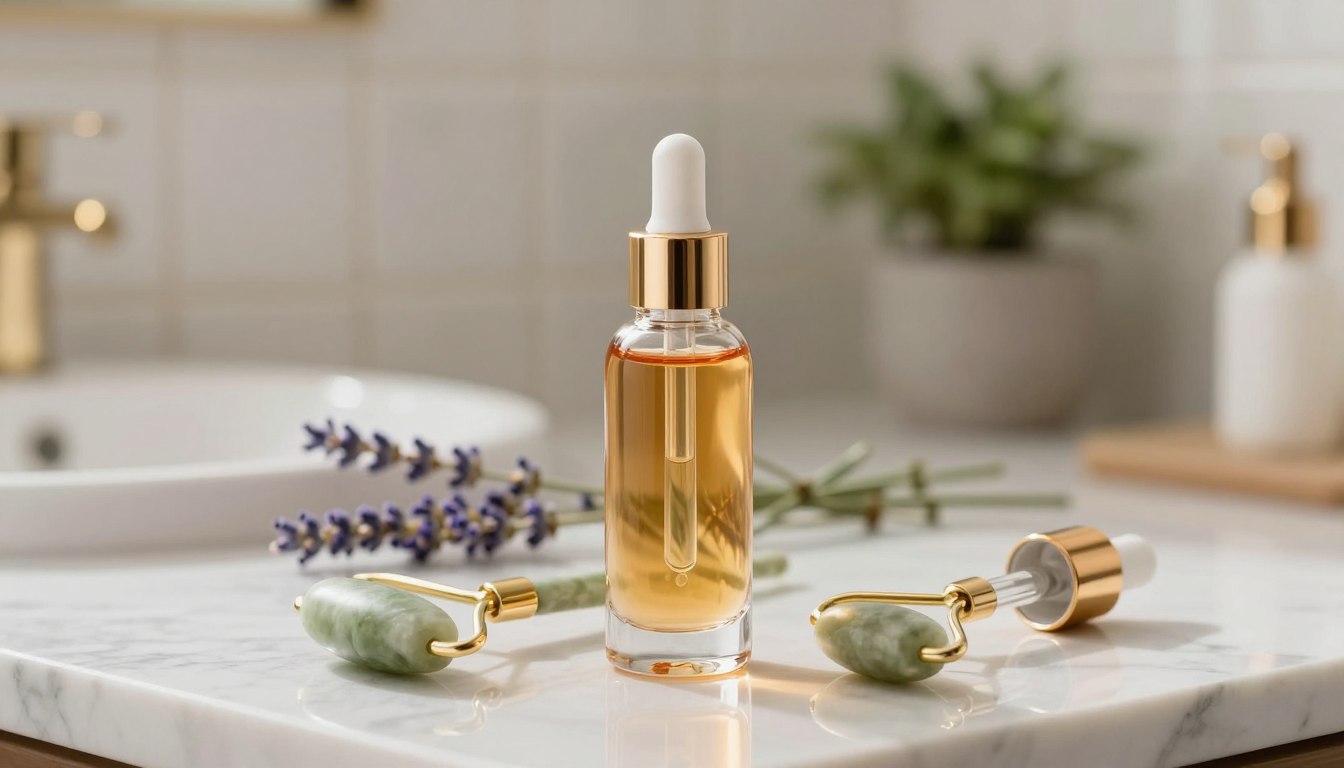
Did you know that nearly 80% of people experience visible signs of skin aging by their mid-30s? This staggering statistic highlights the importance of understanding how to care for your skin as it matures. One of the most talked-about ingredients in skincare is a type of vitamin A known as retinoids. These compounds are renowned for their ability to improve skin texture and reduce fine lines.
In this guide, you will discover everything you need to know about using retinol in your skincare routine. We will explore the science behind its benefits, such as smoother skin and faded age spots. Additionally, we will discuss potential risks like skin irritation and how to use it safely.
From over-the-counter options to prescription-strength treatments, you will learn how to choose the right product for your skin type. Plus, we will cover best practices for application, ensuring you achieve the best results. If you’re in Henderson, NV, Reign Beauty and Vitality offers personalized consultations to support your journey toward healthier skin.
Understanding Retinol and Retinoids: Your Skin’s Anti-Aging Allies
Understanding the role of retinoids can significantly enhance your skincare routine. These powerful ingredients belong to the vitamin A family and are celebrated for their ability to address various skin concerns. By incorporating them into your regimen, you can unlock the potential for smoother, healthier skin.
Retinoids are a well-studied group of ingredients derived from vitamin A. They have been shown to target multiple skin concerns, making them true allies in your skincare arsenal. When you apply retinol to your skin, it undergoes a two-step conversion process. First, it transforms into retinaldehyde and then into retinoic acid, the active form that communicates with your skin cells.
This conversion is key to understanding why retinol is gentler than prescription retinoids. Your skin controls how much active retinoic acid is produced, leading to fewer side effects. On the other hand, prescription retinoids like tretinoin are already in the active form, which means they work faster but may also cause more irritation.
The retinoid family includes four generations of compounds, from first-generation tretinoin and retinol to fourth-generation trifarotene. Each has unique properties and receptor selectivity, allowing for targeted treatments based on individual skin needs.
Understanding the difference between over-the-counter retinol and prescription-strength retinoids helps you make informed decisions about which ingredient is right for your skin type and concerns. Retinoids work at the cellular level by binding to retinoic acid receptors in your skin cells. This binding triggers processes that boost collagen production and accelerate cell turnover.
Your skin naturally contains vitamin A receptors, which is why retinoids are so effective. They tap into your skin’s existing biology to promote renewal and repair.
The Science Behind Retinol for Anti Aging
As we age, our skin undergoes significant changes that can affect its appearance. One of the most important aspects of this process is the role of collagen, a protein that provides structure and elasticity to your skin. When you use retinoids, you are actively promoting collagen production deep within your skin.
As you grow older, your skin’s natural collagen synthesis slows down. This leads to a breakdown of existing collagen, which contributes to the formation of fine lines and wrinkles. Fortunately, retinoids can help address these issues by stimulating collagen production and enhancing skin texture.
Collagen Production and Skin Cell Renewal
Retinol works wonders by accelerating skin cell renewal. It promotes keratinocyte proliferation, which means that dead skin cells are shed more efficiently. This process helps replace them with fresh, healthy cells, resulting in a smoother texture.
This increased cell turnover also aids in fading uneven skin tone and hyperpigmentation. As older, damaged cells are replaced by new, evenly pigmented cells, your skin appears more radiant.
Addressing Fine Lines, Wrinkles, and Uneven Skin Tone
Retinoids inhibit the activity of metalloproteinases—enzymes that break down collagen after UV exposure. This protective effect helps combat further aging damage. Additionally, retinol stimulates the formation of new blood vessels in your skin, improving overall skin color and radiance.
Clinical studies have shown that tretinoin, the active form of retinol, significantly improves the appearance of fine lines and wrinkles with consistent use. The effects on collagen production are cumulative, meaning that the longer you use it, the more pronounced your results will be.
| Effect | Mechanism |
|---|---|
| Increased Collagen Production | Stimulates collagen synthesis in skin cells |
| Enhanced Skin Cell Renewal | Promotes keratinocyte proliferation |
| Fading Uneven Skin Tone | Replaces damaged cells with new, evenly pigmented cells |
| Improved Skin Radiance | Stimulates new blood vessel formation |
| Protection Against Collagen Breakdown | Inhibits metalloproteinase activity |
Types of Retinoids You Should Know
Exploring the various types of retinoids can help you find the best match for your skincare needs. With a wide range of options available, you can choose the right product, whether you are just starting out or looking for something more potent.
Over-the-Counter Retinoids: Retinol, Retinaldehyde
Over-the-counter retinoids like retinol and retinaldehyde are popular choices. They are found in various products, including serums, creams, and oils. These options offer a gentler introduction to vitamin A skincare, often causing less irritation.
Retinol is the most commonly used form and requires two conversion steps in your skin to become active retinoic acid. This makes it ideal for beginners or those with sensitive skin. On the other hand, retinaldehyde is one step closer to the active form, making it more potent and faster-acting while still available without a prescription.
Prescription Retinoids: Tretinoin, Tazarotene, Adapalene
Prescription retinoids such as tretinoin, tazarotene, and adapalene are already in their active forms or require minimal conversion. This means they deliver faster, more dramatic results for both aging and acne concerns.
Tretinoin is often considered the gold standard due to its strong clinical evidence for anti-aging. Tazarotene and adapalene serve as effective alternatives, each with slightly different side effect profiles.
Next-Gen Retinoids and Nanoformulations
Next-generation retinoids like Granactive Retinoid (hydroxypinacolone retinoate) provide similar benefits without requiring conversion on your skin. This feature may help reduce irritation, making them suitable for more users.
Additionally, nanoformulations represent the cutting edge of retinoid delivery. These use lipid-based nanoparticles to improve stability, enhance penetration, and minimize the common side effects associated with traditional products.
Benefits of Using Retinol for Anti Aging
Your skin’s appearance can change dramatically as you age, but there are effective ways to maintain its youthful glow. Incorporating retinol into your skincare routine can yield numerous benefits, transforming not just how your skin looks but also how it feels.
Smoother Texture and Improved Skin Tone
One of the most immediate benefits of using retinol is a smoother skin texture. As you apply it regularly, you can expect a more even skin tone. This ingredient works by enhancing cell turnover, allowing fresh, new skin to emerge while shedding old, damaged cells.
With consistent use, you will notice that the appearance of pores diminishes, leading to a refined complexion. “Beauty begins the moment you decide to be yourself,” said Coco Chanel, and with retinol, you can embrace your natural beauty with confidence.
Fading Age Spots and Hyperpigmentation
Another significant advantage is the ability to fade age spots and hyperpigmentation. Retinol accelerates the shedding of pigmented skin cells and helps inhibit melanin production in sun-damaged areas. This process not only brightens your skin but also evens out your complexion.
Fine lines around your eyes and mouth often respond quickly to treatment. The boost in collagen production helps plump the skin, softening those early signs of aging.
Long-Term Skin Vitality and Youthfulness
Beyond immediate improvements, retinol promotes long-term skin vitality. It stimulates the production of collagen, elastin, and hyaluronic acid, which are crucial for keeping your skin firm and hydrated. As a result, your skin maintains its youthful appearance.
Clinical evidence shows that the best results from retinol typically appear after six to twelve months of consistent application. Therefore, patience and persistence are key to achieving your desired results.
With time, you will also notice that rough patches and uneven texture give way to softer, more refined skin. The cumulative effects of retinol make it a rewarding long-term investment in your skincare routine.
Potential Risks and Side Effects to Be Aware Of
Understanding the potential risks associated with retinoids is crucial for anyone considering their use. While these ingredients offer remarkable benefits, they can also lead to some unwanted side effects. Being informed helps you make the best choices for your skin.
When you start using retinol, you may experience skin irritation known as retinoid dermatitis. This condition can manifest as:
- Redness
- Peeling
- Dryness
- A stinging sensation at the application site
These side effects are typically dose-dependent and temporary. They often subside as your skin builds tolerance. To minimize irritation, start with a low concentration and gradually increase frequency.
Another important consideration is photosensitivity. Retinol significantly increases your skin’s sensitivity to sunlight. This makes diligent sun protection with a broad-spectrum sunscreen an absolute must during the day. Without proper sunscreen use, the increased cell turnover from retinol can leave fresh, vulnerable skin cells exposed to UV radiation. This exposure can potentially worsen hyperpigmentation and accelerate aging.
If you are pregnant or breastfeeding, current medical guidance advises against using topical retinoids due to the lack of sufficient safety evidence. It’s essential to consult your doctor for alternatives that are safer for you and your baby.
Additionally, applying retinoids too close to your eyes can cause ocular discomfort and dry eye syndrome. To avoid this, keep application to the orbital bone area.
Some users may also experience an initial “purge” where acne temporarily worsens. This occurs as retinol accelerates cell turnover and brings underlying congestion to the surface before clearing up.
To minimize side effects, consider using the “sandwich method.” This involves applying moisturizer before and after your retinol. It’s also wise to avoid using other potentially irritating active ingredients on the same night.
How to Incorporate Retinol into Your Skincare Routine
Incorporating effective ingredients into your skincare routine can significantly enhance your skin’s appearance. Retinol is a powerful ally, but it’s essential to introduce it gradually. This approach allows your skin to adapt while minimizing potential irritation.
Start by applying a low-concentration product just two or three nights per week. This will help you assess your skin’s tolerance without overwhelming it. As your skin adjusts, you can gradually increase the frequency of application.
Starting Slowly: Frequency and Concentration
Your nighttime regimen is the ideal place for retinol application. This is because retinoids degrade in sunlight, and your skin’s repair processes are most active while you sleep. Begin with a concentration of 0.2% or 0.3% retinol, and only increase strength after your skin has fully adapted over several weeks or months.
Using Moisturizers and Complementary Products
After cleansing and applying any water-based serums, follow with a rich moisturizer. This step is crucial for buffering potential irritation and locking in hydration. Using moisturizers alongside retinol is not just helpful—it is essential for maintaining your skin barrier and minimizing dryness and flaking.
Complementary products like gentle cleansers and barrier-supporting serums can enhance your regimen without causing additional irritation. These products work in harmony with retinol, ensuring your skin remains balanced and healthy.
Importance of Nighttime Application and Sunscreen Use
Never skip sunscreen during the day when using retinol. Your skin becomes more vulnerable to UV damage, making consistent sun protection critical for seeing positive results. Applying sunscreen will help protect your skin from the harmful effects of the sun and maintain the benefits of your retinol regimen.
Remember to give your skin time to adjust. It can take four to six weeks for the initial retinization period to pass. After this period, you can gradually increase application frequency to nightly use if tolerated.
Maximizing Results: Best Practices for Retinol Application
To maximize the effectiveness of your skincare routine, understanding how to properly use retinoids is essential. Incorporating retinol into your regimen can yield fantastic results, but it requires some knowledge about application techniques and product compatibility.
Before diving into your new retinol product, it’s crucial to ensure your skin can handle it. Patch testing is a simple yet effective way to check for any adverse reactions. Apply a small amount of the product to a discreet area, like behind your ear or on your inner arm, and observe for 24 to 48 hours.
Patch Testing and Building Tolerance
Building tolerance to retinol is a gradual process. Start with the “short contact” method by applying retinol for just 30 minutes before washing it off. Over several weeks, you can slowly increase the contact time. This method helps your skin adapt without overwhelming it.
Common Ingredients to Avoid Mixing with Retinol
It’s essential to be mindful of other ingredients in your skincare routine. Avoid mixing retinol with direct acids like glycolic, salicylic, or lactic acid on the same night. This combination can lead to over-exfoliation and significant irritation.
Direct vitamin C (L-ascorbic acid) should also not be layered with retinol. Instead, use vitamin C in your morning regimen and reserve retinol for nighttime. Similarly, while copper peptides are beneficial, using them with retinoids can increase sensitivity. Alternate these ingredients on different nights for the best results.
Layering Products for Optimal Skin Health
The order of application is vital for achieving the best results. Start with a gentle cleanser, followed by water-based serums. Next, apply your retinol product, and finish with a nourishing moisturizer or facial oil to seal everything in.
Always give each product time to absorb—wait at least a few minutes between layers. Listen to your skin; if irritation occurs, scale back on the frequency of application and focus on barrier repair before resuming your regimen.
| Best Practices | Description |
|---|---|
| Patch Test | Apply a small amount on a discreet area to check for reactions. |
| Build Tolerance | Start with short contact and gradually increase time. |
| Avoid Mixing | Do not use with direct acids or vitamin C at the same time. |
| Layering Order | Cleanser, serums, retinol, moisturizer. |
| Time to Absorb | Wait a few minutes between applying different products. |
Innovations in Retinoid Delivery: Nanotechnology and Future Trends
Recent advancements in skincare technology are paving the way for innovative retinoid delivery systems. Traditional formulations often struggle with stability, limited skin penetration, and potential irritation. However, researchers are actively addressing these challenges to improve the efficacy of these powerful ingredients.
One significant issue with conventional retinol formulations is their chemical instability when exposed to light and oxygen. This instability can lead to reduced effectiveness over time. Additionally, these products may not penetrate deeply enough into the skin layers, limiting their benefits. The potential for skin irritation also remains a concern for many users.
Benefits of Nanotechnology-Based Retinoid Products
To combat these challenges, scientists are developing nanotechnology-based delivery systems. These systems encapsulate retinoids in tiny lipid-based carriers, enhancing their performance and tolerability. The use of solid lipid nanoparticles, nanostructured lipid carriers, and liposomes protects the active ingredient from degradation and controls its release into your skin.
The benefits of these nanoformulations are impressive. They offer prolonged release of the active ingredient, enhanced penetration through the skin barrier, improved stability, and significantly reduced irritation compared to traditional products. Studies have shown that nanoformulated tretinoin can achieve better pharmacological effects, including a thicker epidermis and increased production of hyaluronic acid, while causing less irritation.
What to Expect from Emerging Retinol Treatments
As research continues, emerging retinol treatments are exploring next-generation molecules like trifarotene and seletinoid G. These innovative ingredients offer more selective receptor targeting and potentially fewer side effects. While nanoformulations are not yet widely available on the market, they represent the future of retinoid skincare.
In summary, the promising potential of retinoid nanoformulations requires comprehensive evaluation through additional studies. As clinical evidence grows, you can expect to see more advanced products in the coming years that enhance your skincare routine.
| Challenge | Traditional Formulations | Nanotechnology-Based Products |
|---|---|---|
| Chemical Stability | Low stability when exposed to light and oxygen | Enhanced stability through encapsulation |
| Skin Penetration | Limited penetration into deeper skin layers | Improved penetration with lipid-based carriers |
| Skin Irritation | High potential for irritation | Significantly reduced irritation |
| Active Ingredient Release | Immediate release, less control | Prolonged release for sustained effects |
Choosing the Right Retinol Product for Your Skin
Finding the perfect retinol product tailored to your unique skin needs is essential for optimal results. The right choice can significantly enhance your skincare routine and address your specific concerns. Start by assessing your skin type—whether it’s oily, dry, sensitive, or combination—and identify your primary issues, such as aging, acne, or hyperpigmentation.
Retinol serums are typically lightweight and fast-absorbing, making them ideal for oily or combination skin types. In contrast, creams and oils provide more emollient benefits, which are better suited for dry or mature skin.
If you have sensitive skin, consider starting with a retinol in an oil base like squalane. This option offers built-in moisturizing properties and a slower release, minimizing the risk of irritation.
Over-the-counter retinol products are a great starting point for most people. They offer meaningful anti-aging benefits with fewer side effects than prescription options, although results may take longer to appear.
Prescription retinoids, such as tretinoin and tazarotene, deliver faster, more dramatic results. These are best suited for those with significant photodamage or who have already built tolerance to OTC retinol.
Adapalene presents a unique middle ground. It’s available over the counter at 0.1% for acne but also shows anti-aging benefits, with a 0.3% prescription version for more stubborn concerns.
When comparing products, look beyond just the retinoid percentage. The overall formulation, including supporting ingredients like niacinamide or peptides, can significantly impact your skin’s response.
Your skincare regimen should revolve around your chosen retinol product. Select all other products to support and complement its effects rather than compete with or counteract them.
How Reign Beauty and Vitality in Henderson, NV Supports Your Retinol Journey
Exploring personalized skincare options can lead to remarkable improvements in your skin’s appearance. At Reign Beauty and Vitality, you can access a wide range of medical spa and health enhancement services tailored to support every step of your skincare journey. Their expert team is dedicated to guiding you through your unique retinol experience.
When you schedule a consultation, their specialists assess your skin type and discuss your aging concerns. This personalized approach ensures you receive a customized treatment plan that may include prescription or medical-grade products. With their expertise, you can confidently choose the right options for your skin.
Expert Medical Spa Consultations for Personalized Care
The team at Reign Beauty and Vitality provides in-depth consultations to help you navigate your skincare choices. They focus on:
- Assessing your individual skin type and concerns
- Creating a tailored treatment plan that may include specific products
- Monitoring your progress and adjusting your regimen as needed
Health Enhancement Services Complementing Retinol Use
To maximize the benefits of your retinol regimen, consider professional treatments available at the spa. These include:
- Chemical peels: Enhance product penetration and stimulate collagen production.
- Microneedling: Boosts skin texture and promotes healing.
- LED therapy: Calms irritation while rejuvenating your skin.
Combining these treatments with your at-home regimen can amplify your results and improve overall skin health.
Local Tips for Healthy, Youthful Skin in the United States
Living in Henderson means dealing with intense sun exposure. The team offers valuable tips for protecting your skin while using retinol:
- Always apply a broad-spectrum sunscreen daily.
- Stay hydrated to support skin health from within.
- Consider using a humidifier to combat dryness.
Additionally, health enhancement services like nutritional counseling and IV therapy can provide your body with essential vitamins and antioxidants. This support helps maximize the effects of your retinol regimen.
Whether you’re dealing with acne, hyperpigmentation, or signs of aging, Reign Beauty and Vitality tailors their approach to meet your needs. Regular follow-up appointments ensure you stay on track to achieve your desired results safely.
Maintaining Your Skin’s Health Beyond Retinol
Your skincare journey should extend beyond retinoids to include daily habits that promote lasting health. Building a comprehensive skincare routine is vital for maintaining your skin’s youthful appearance. Here are some essential practices to consider.
Daily Skincare Habits for Aging Gracefully
Maintaining your skin’s health means incorporating gentle cleansing, antioxidant protection, and consistent moisturizing. These steps support your skin barrier and help prevent premature aging.
Using a gentle cleanser twice a day helps remove impurities without stripping your skin of essential moisture. Following up with an antioxidant serum can provide protection against environmental damage.
Moisturizing daily locks in hydration, keeping your skin supple and resilient. A well-rounded routine can significantly enhance the results you achieve with retinoids.
Sun Protection and Lifestyle Adjustments
Sun protection is the single most important habit for aging gracefully. Apply a broad-spectrum SPF 30 or higher every single day, even when indoors or driving. UV rays penetrate windows and can cause cumulative damage.
In addition to sun protection, lifestyle adjustments play a crucial role in skin health. Staying hydrated, eating a diet rich in antioxidants and healthy fats, and managing stress can all contribute to how your skin ages.
Getting adequate sleep is also vital. Quality rest allows your skin to repair and rejuvenate, supporting the benefits of your skincare routine.
When to Seek Professional Advice
Know when to seek professional advice. If you experience persistent irritation, unexpected breakouts, or are unsure about which products to use, a consultation with a medical spa expert can get you back on track.
Regular professional skin assessments can catch early signs of sun damage or other concerns before they become more serious. Preventive care is an essential part of your long-term skin health strategy.
| Key Habit | Description |
|---|---|
| Gentle Cleansing | Use a mild cleanser to remove impurities without stripping moisture. |
| Antioxidant Protection | Incorporate serums to shield skin from environmental damage. |
| Daily Moisturizing | Lock in hydration to maintain skin’s suppleness and resilience. |
| Sun Protection | Apply broad-spectrum SPF 30 or higher daily, even indoors. |
| Lifestyle Adjustments | Stay hydrated, eat well, and manage stress for better skin health. |
Conclusion
Embarking on a skincare journey requires dedication and the right tools to achieve your desired results. The commitment to using retinoids can lead to smoother, firmer, and more youthful-looking skin over time. Understanding the science behind these products is crucial for maximizing their benefits.
Everyone’s skin is unique, so it’s important to tailor your regimen accordingly. Pairing at-home use with professional guidance can enhance your results significantly. Remember, sun protection is vital; it serves as your strongest ally against aging.
As advancements in skincare continue, new innovations promise even better outcomes with fewer side effects. With patience and the right approach, you can make informed decisions that will keep your complexion radiant for years to come.